Why Your Vaccinations Still Matter as You Get Older

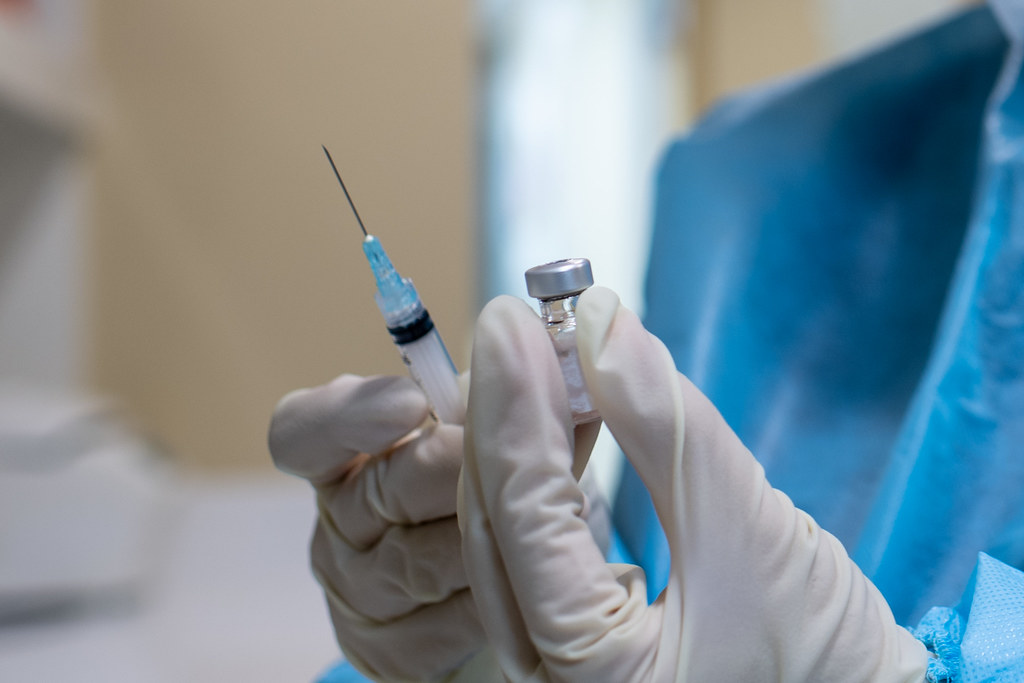
Photo source: Flickr
Many people think vaccinations are mainly for children. In reality, they continue to play an important role throughout adulthood, particularly as we get older. As the immune system naturally changes with age, some infections can become more serious and take longer to recover from.
Your GP may recommend vaccinations to help protect against illnesses such as influenza, COVID-19, shingles, pneumococcal disease, and, in some situations, whooping cough. The vaccines that are appropriate for you will depend on your age, medical history, lifestyle, and any underlying health conditions.
Even if you’re generally healthy, staying up to date with recommended vaccinations can reduce your risk of serious illness and hospitalisation. They also help protect the people around you, including grandchildren, friends, and others who may have weakened immune systems.
If you’re planning to travel overseas, it’s worth checking whether you need any additional vaccinations before you leave. Some countries have different health risks, and certain vaccines need to be given several weeks before departure to provide the best protection.
It’s understandable to have questions about vaccines. If you’re unsure whether you’re due for one or you’re concerned about possible side effects, speak with your GP or pharmacist. They can explain the benefits, discuss any risks, and help you make an informed decision based on your individual health.
Keeping a personal record of your vaccinations can also be useful. It makes it easier to remember what you’ve already had and helps healthcare providers determine whether you’re due for any boosters in the future.
Looking after your health is about taking sensible steps to help prevent it. Staying up to date with recommended vaccinations is one of the simplest ways to protect your health and continue enjoying the people and activities that matter most.