Why Your Eyes Water Even When You’re Not Crying

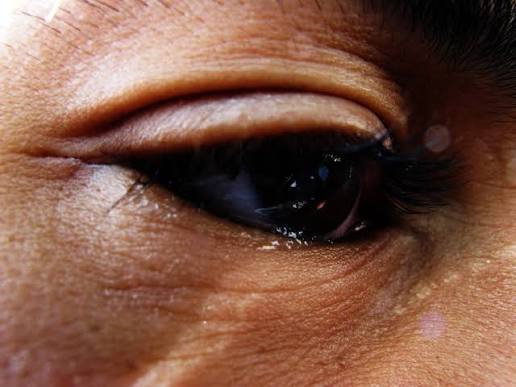
Photo source: Flickr
You reach for a tissue because your eyes keep watering, even though you are not upset or chopping onions. Perhaps it happens while reading, sitting in front of the television, or walking outside on a breezy day. It can be annoying, particularly when you find yourself wiping your eyes repeatedly without understanding why they are producing so many tears.
Surprisingly, watery eyes can be a symptom of dry eyes. When the surface of your eye becomes irritated because its protective tear film is not working properly, your body may respond by producing extra watery tears. These do not always provide the lasting lubrication your eyes need, so the irritation can continue. Dry eyes are common as people get older and can also be associated with certain medicines and health conditions.
Your surroundings may contribute, too. Wind, smoke, dust, and air conditioning can irritate the eyes, while long periods reading or looking at a screen can reduce how often you blink. If the watering is worse when you are outdoors or after spending hours on your tablet, notice whether changing those conditions makes a difference.
Sometimes, the problem involves the eyelids or the drainage system that carries tears away from the eyes. Inflamed eyelid margins can affect the quality of your tears, while a narrowed or blocked tear duct may prevent them from draining normally. Allergies and infections can also cause watering, particularly when accompanied by itching, redness, or discharge.
For mild irritation, try taking regular breaks from screens, blinking deliberately, and avoiding direct airflow from fans or air conditioning. Lubricating eye drops may help if dryness is contributing, and a pharmacist or optometrist can advise which product is suitable. Avoid using redness-relief drops regularly without professional advice, as some can worsen irritation.
Arrange an appointment with your optometrist or healthcare provider if the watering persists, keeps returning or interferes with reading and everyday activities. Seek urgent medical attention if you experience severe eye pain, significant redness with vision changes, or sudden loss of sight.
Watery eyes are not always a sign that something serious is wrong, but persistent symptoms deserve more than an endless supply of tissues. Understanding whether the cause is dryness, irritation, or a drainage problem can help you find relief and keep your eyes comfortable.