Why Foot Health Becomes More Important With Age

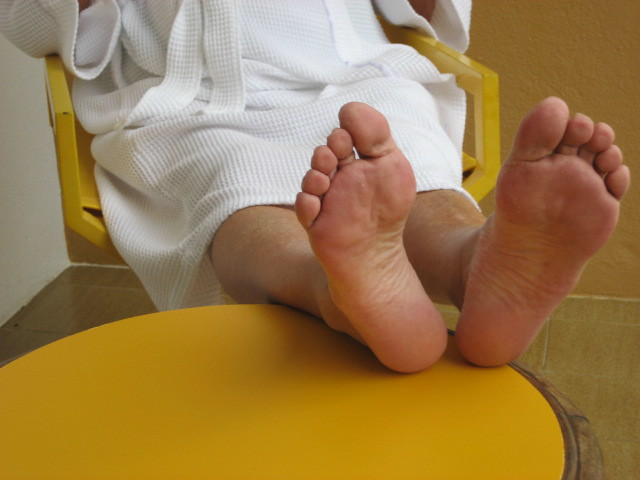
Photo source: Flickr
It’s easy to take your feet for granted until they start causing problems. After all, they carry you through thousands of steps every day. As we get older, changes in our feet can affect more than comfort. They can influence balance, mobility, and confidence, making everyday activities more difficult than they need to be.
One of the most common issues is wearing the wrong footwear. Shoes that are too tight, too loose, or lacking proper support can contribute to pain, blisters, and an increased risk of falls. Look for shoes with a secure fit, a low heel, non-slip soles, and enough room for your toes to move comfortably.
It’s also worth checking your feet regularly. Dry skin, corns, calluses, swelling, or changes to your toenails may seem minor, but they can become more troublesome if ignored. If you have diabetes, regular foot checks are especially important, as reduced sensation can make it harder to notice cuts or sores before they become serious.
Keeping your feet healthy doesn’t have to be complicated. Wash and dry them thoroughly each day, especially between the toes, and apply moisturiser to prevent dry, cracked skin. Trim your toenails straight across and avoid cutting them too short. If reaching your feet has become difficult or you have thickened nails, a podiatrist can help.
Staying active is another way to look after your feet. Gentle walking and stretching exercises help maintain circulation and flexibility, while avoiding long periods of sitting can reduce stiffness. If you experience ongoing pain when walking or standing, don’t assume it’s simply part of getting older. It’s worth discussing the problem with your GP or a podiatrist.
Healthy feet help you stay independent. They make it easier to enjoy a morning walk, keep up with the grandchildren, travel with confidence, or simply move around your home without discomfort. Looking after your feet today can help keep you moving comfortably for many years.