Living Well With Diabetic Neuropathy

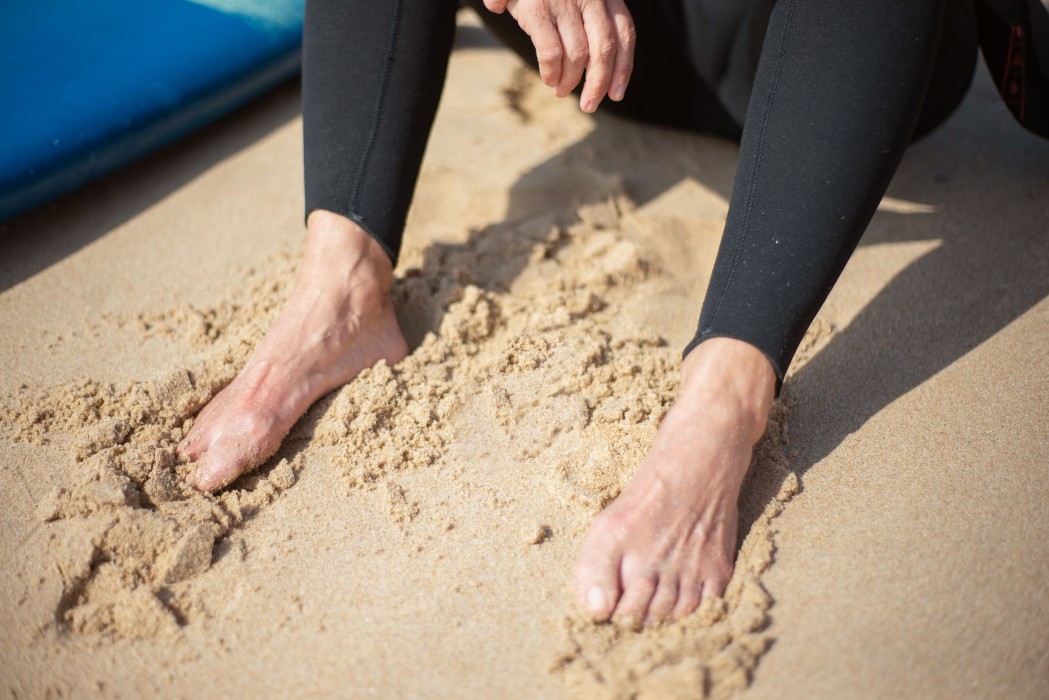
Photo source: Pexels
If you have diabetes, you may have heard your doctor mention diabetic neuropathy. It is a type of nerve damage that can develop when blood sugar levels stay high over many years. For many older New Zealanders, it shows up as tingling, numbness, burning or sharp pain, most often in the feet and hands. Thankfully, there are practical steps to feel more comfortable and stay active.
What Is Diabetic Neuropathy?
Diabetic neuropathy happens when high blood glucose gradually harms the small blood vessels that feed your nerves. Symptoms often start slowly and may be worse at night. Some people notice a loss of feeling, which can make it harder to spot cuts, blisters or sores. Mention any new sensations to your GP or practice nurse early.
Keeping Your Blood Sugar Steady
Managing blood glucose is the most important way to slow nerve damage. Take your medication as prescribed, attend your regular diabetes checks and follow the eating plan agreed with your health team. Gentle, consistent habits tend to work better than dramatic changes.
Caring for Your Feet Every Day
Foot care matters greatly with diabetic neuropathy. Check your feet daily, looking for redness, cracks or wounds. Wash them in lukewarm water, dry carefully between the toes and moisturise, avoiding the gaps. Wear well-fitted shoes and soft socks, and avoid walking barefoot, even at home or on the beach. A podiatrist can trim nails safely and offer advice on suitable footwear.
Staying Active and Comfortable
Regular movement improves circulation and can ease nerve discomfort. Walking, swimming, water aerobics and gentle strength exercises are popular choices among seniors. Check with your doctor before starting something new. If pain disturbs your sleep, speak with your GP, as there are treatments and other options that may help. Warm baths, relaxation and a consistent bedtime routine can also make nights easier.
Looking After Your Wellbeing
Living with a long-term condition can feel tiring at times. Staying connected with friends, family and peer groups can lift your spirits. Diabetes New Zealand and local support groups offer information and community for people living with diabetes.