The Credit Card Grace Period Is Not a Free Pass

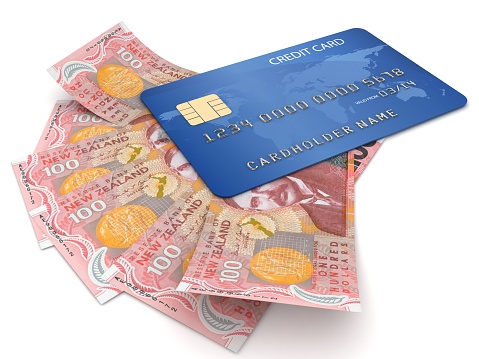
Photo source: iStock
A credit card can feel pleasantly simple when you pay the balance every month. You buy something, receive your statement and clear the amount by the due date. But the phrase “interest-free days” can create a misleading impression that every transaction is automatically free of interest for a set number of days.
The actual terms depend on your card. Many New Zealand credit cards offer interest-free days on purchases when you pay the required balance in full by the due date. The period can vary between cards, so it is worth knowing the specific rules attached to yours.
The distinction becomes particularly important if you carry a balance from one month to the next. Once you stop paying the relevant balance in full, interest can apply to purchases, depending on the card’s terms. Credit card interest rates can also be considerably higher than rates on some other forms of borrowing.
Cash advances are another trap for anyone assuming the same rules apply to everything. Withdrawing cash using a credit card can attract interest from the day of the withdrawal and may involve additional fees.
Your statement is therefore worth reading beyond the big number at the top. Look for the payment due date, minimum payment, interest rate, and any fees. Consumer Protection notes that credit-card statements must include information designed to show the cost of making only minimum repayments.
If you usually clear your card in full, setting up a payment reminder or automatic payment can help prevent an accidental missed deadline. Just make sure the amount and timing suit your particular card’s terms.
There is nothing inherently wrong with using a credit card for convenience, consumer protections, or rewards. The useful part is knowing exactly when the borrowing starts costing you money.
“Interest-free” is a helpful feature, not a promise that the card will never charge interest. A quick look at your card’s terms can tell you where that line actually sits.