Gentle Scalp Care Habits Every Senior Should Know

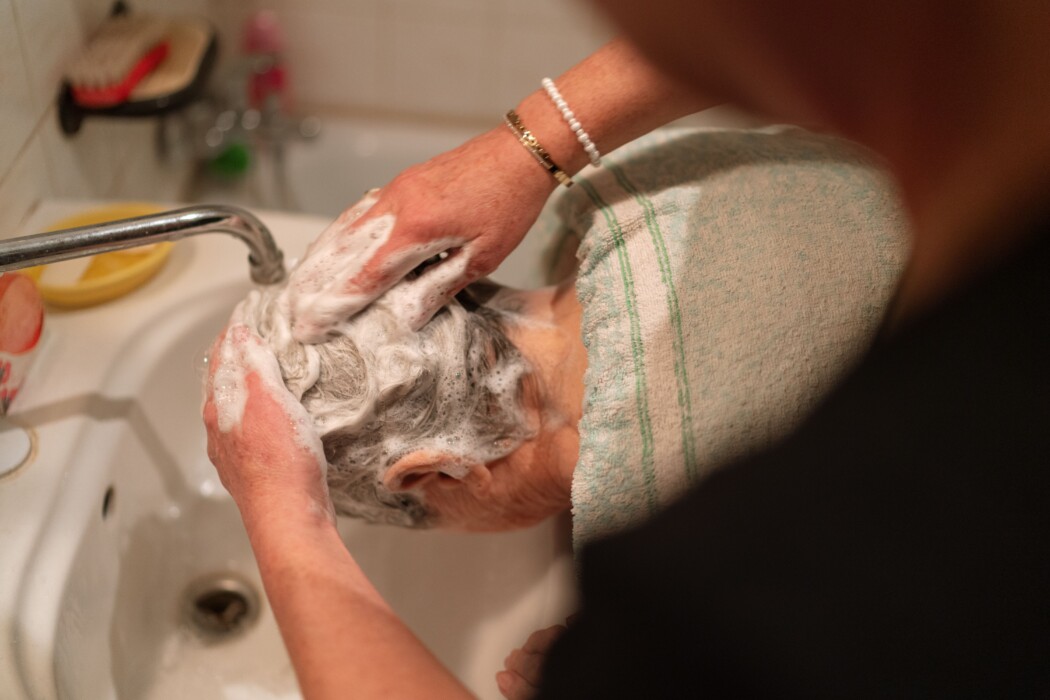
Photo source: Pexels
As we age, our skin changes, and this includes the skin on our scalp. Many older adults in New Zealand notice their scalp becomes drier, more sensitive, or prone to irritation over time. This is why scalp care deserves just as much attention as skincare for the face and body. Good scalp care can support healthier hair growth, reduce discomfort, and improve overall wellbeing for seniors.
Why Scalp Care Matters More With Age
The scalp naturally produces less oil as we grow older, which can lead to dryness, flakiness, and itchiness. Reduced circulation and thinner skin also make the scalp more vulnerable to sensitivity and minor irritation. Establishing a gentle scalp care routine helps protect this delicate skin and keeps hair looking and feeling its best.
Simple Habits for a Healthier Scalp
Washing hair with a mild, sulphate-free shampoo is one of the easiest ways to support scalp care without stripping away natural oils. Warm water, rather than hot, is kinder to sensitive skin and helps prevent further dryness. After washing, gently pat the scalp dry instead of rubbing vigorously, as friction can cause irritation.
Regular but gentle brushing helps stimulate circulation and distribute natural oils along the scalp and hair. Choosing a soft-bristled brush is especially important for seniors with thinning hair or a more delicate scalp.
Moisture matters too. A light, fragrance-free scalp oil or leave-in treatment can help soothe dryness and reduce flakiness. Seniors with conditions like eczema or psoriasis should look for products designed specifically for sensitive skin.
Protecting the Scalp From the Elements
New Zealand’s strong UV levels mean sun protection is an important part of scalp care, particularly for those with thinning hair or visible scalp areas. Wearing a wide brimmed hat outdoors offers simple, effective protection. During colder months, a light head covering can help prevent the scalp from becoming overly dry from wind and indoor heating.
When to Seek Advice
While gentle scalp care habits can make a noticeable difference, persistent itching, redness, or unusual changes should always be checked by a general practitioner or dermatologist. These symptoms can sometimes point to underlying conditions that need professional attention.