Awake at 3am? Why it happens and what to do

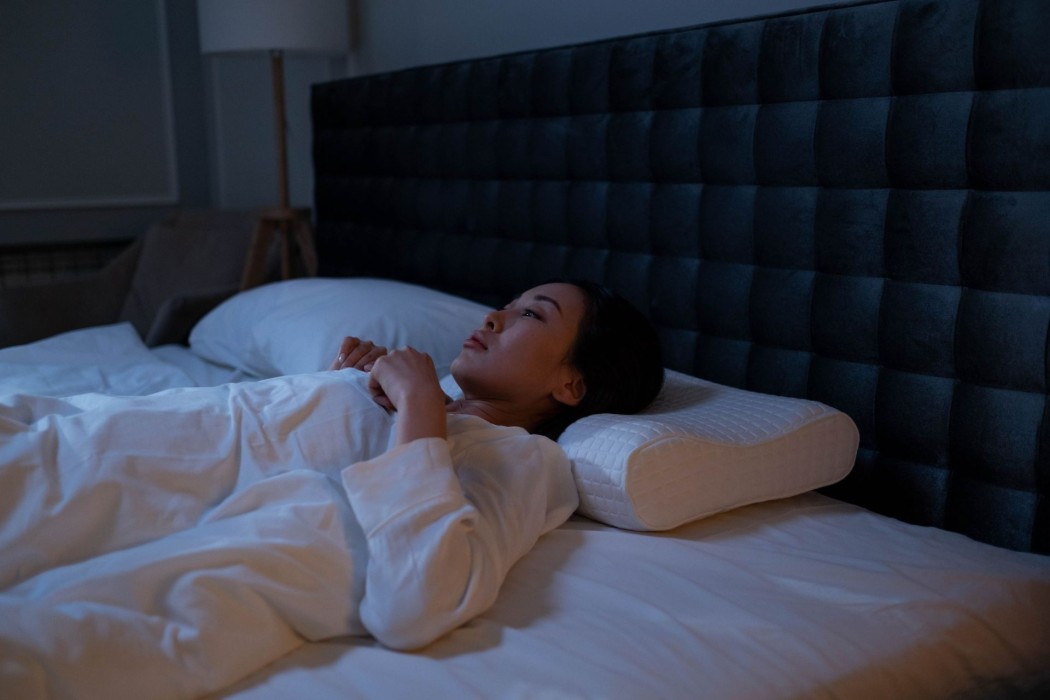
It’s 3am, the house is silent, and your brain has decided now is the time to replay a conversation from 1987. Most of us know this hour well. Some of what happens to sleep in later life is normal, and a good deal of the rest can be treated.
Why sleep changes as we get older
By around age 60, most people start to sleep more lightly, says Healthify He Puna Waiora, the national health information site. Deep sleep shrinks, light sleep grows and the night gets broken up by spells of being awake. Healthify says 30 to 50 minutes awake at night is normal for a 60-year-old.
The body clock shifts too. Older people tend to become “larks”, falling asleep earlier in the evening and waking earlier as a result. Healthify still recommends 7 to 8 hours a night for adults 65 and over.
That’s worth knowing, because many people assume the opposite. When Massey University researchers interviewed 23 New Zealanders aged 61 to 92 about their sleep, a common view was “You don’t need as much sleep when you’re older”. Participants tended to describe changing sleep as an accepted part of ageing, and resisted treating it as a medical problem.
Healthify takes a different line. It says many older people’s sleep problems come from health conditions that arrive with age, such as pain and heart conditions, and poor sleep with no obvious cause shouldn’t be written off as part of getting older. Its insomnia page lists other culprits, including night-time toilet trips, some medicines, anxiety, depression, sleep apnoea and restless legs.
Dr Rosie Gibson of Massey’s Sleep/Wake Research Centre and University of Auckland colleagues followed people aged 79 to 90 in the LiLACS NZ study of advanced age. More than 25% reported sleep problems at both the start and four years later, and those with problem sleep at the start had poorer physical health and more pain by the end. The study was observational, so it shows links rather than cause.
What to do when you’re wide awake
Get up. If you can’t sleep after 20 minutes or so, Healthify says to do something relaxing that isn’t on a screen. Go back to bed when you’re too sleepy to keep your eyes open.
Turn the clock around. Healthify says clock-watching makes insomnia worse.
Keep the light dim and red. Red light is the least likely to affect melatonin, the hormone that regulates the sleep-wake cycle, so Healthify suggests dim red night lights. That helps on toilet trips too.
Give your mind a job. Healthify suggests box breathing, where you breathe in for 4 seconds, hold for 4, breathe out for 4 and wait 4. Another option is cognitive shuffling, a technique from cognitive scientist Luc Beaudoin, where you pick a letter and let random, unrelated words come to mind, such as dog, dahlia and domino.
Hold the line in the morning. Get up at your usual time, even after a bad night, and get out into bright light soon after waking. If you need to catch up, Healthify says go to bed earlier rather than sleeping in, and keep naps to 10 to 20 minutes, no later than 2pm.
When it’s time to get help
Healthify calls insomnia chronic when it’s lasted more than three days a week for more than three months. At that point, see your healthcare provider, because a medical cause may need to be found and treated.
Your provider may suggest cognitive behavioural therapy for insomnia, or CBT-i. Healthify says up to 80% of people who try it see their sleep improve. NZ online therapy site Just a Thought runs a free four-part online CBT-i course called Managing Insomnia, and suggests a week for each part.
One part of CBT-i, sleep restriction, has been tested in Auckland general practices. In a University of Auckland trial of 97 adults with persistent insomnia and no mental health or other significant conditions, 67% of those given simplified sleep restriction plus sleep advice responded to treatment at six months, against 41% given sleep advice alone. Healthify says sleep restriction is best done with a health provider and doesn’t suit everyone.
Sleeping pills are a short-term option at best. Healthify says they aren’t recommended for chronic insomnia and can raise the risk of falls, confusion and problems with driving, and taking them for more than a few nights in a row can make sleep worse. If you take them regularly, ask your healthcare provider about stopping gradually.
Healthify says to contact your healthcare provider if a partner says you snore or gasp loudly, if a new medicine seems to be disturbing your sleep, or if you feel very sleepy during the day. If you’re drowsy behind the wheel, go soon.
Healthline is free on 0800 611 116, 24 hours a day. The conversation from 1987 can wait until morning.