What Seniors Should Know About Medications and Blood Donation

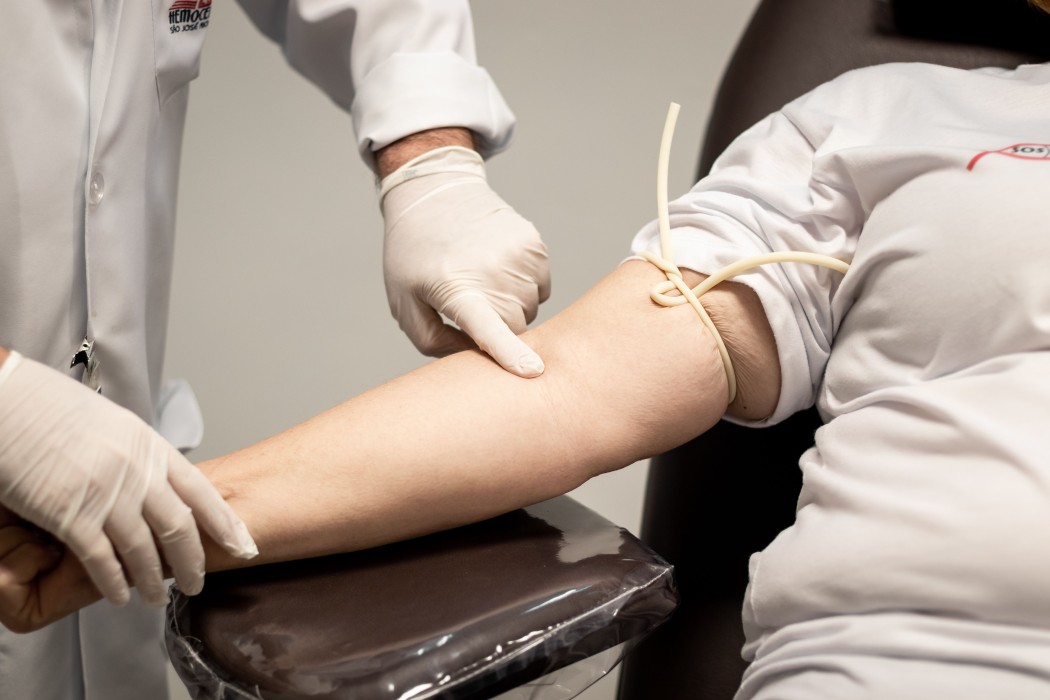
Photo source: openverse, Lucas Oliveira
Giving blood is one of the most generous things a person can do, and many older Kiwis want to keep donating well into their later years. If you take regular medication, you may wonder whether you can still roll up your sleeve. Many people on common medicines can still donate, but there are some important things to understand first.
Why medications matter for blood donation
Every donation must be safe for both the donor and the person receiving the blood. Some medicines can affect the blood itself, and a few could harm a patient if passed on through a transfusion. For this reason, the New Zealand Blood Service asks every donor about their health and the medicines they take before each donation.
Common medications and eligibility
Many everyday medicines, such as those for blood pressure, cholesterol, thyroid conditions or diabetes managed with tablets, are often fine as long as your condition is stable and you feel well. Blood thinners are different because they affect clotting and bleeding after the needle is removed, so people taking them are usually unable to give a standard blood donation. Some antibiotics, skin treatments and certain prostate or hair loss medicines may mean waiting a set period before donating. Rules can change, and every situation is different, so please treat this as general information only.
Age and general health
Healthy older people are welcome to donate, though age limits and extra checks can apply, especially for first-time donors. Staff may ask additional questions to make sure donating suits you.
Tips before you donate
Bring a list of your medicines, including vitamins, herbal products and anything bought from the pharmacy. Tell the nurse about any recent illness, surgery or dental work. Drink plenty of water, eat a good meal beforehand and let the team know if you ever feel dizzy or unwell. After donating, rest for a few minutes and enjoy the refreshments offered.
What if you cannot donate?
Being unable to give blood says nothing about your worth. Many seniors help in other ways, such as encouraging family and friends to donate, volunteering in their community, or checking whether they are eligible for other types of donation.