Teaching Grandchildren About Money

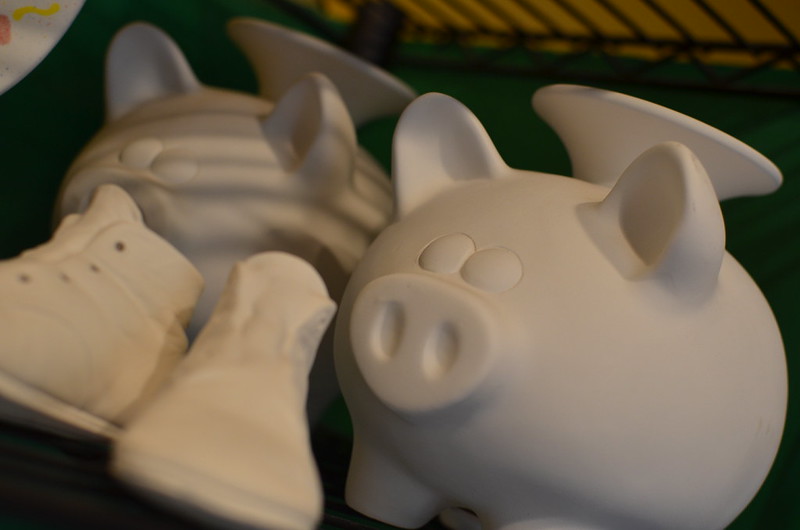
Photo source: openverse, Michael Kappel, Flickr
Grandparents hold a special place in a child’s life, and that includes helping them learn about money. With rising living costs and so much spending now done online, children benefit from good money habits early. The good news is that you do not need to be a financial expert. Years of everyday experience make you a wonderful teacher.
Start With Simple Conversations
Talk about money naturally. At the supermarket, let your grandchild help compare prices or find the cheaper brand. Explain why you wait for a sale or save for a holiday. Children learn a great deal just by listening to how adults make decisions.
Introduce Saving With a Goal
Young children understand saving best when they have something specific to aim for. A jar, a piggy bank or a first bank account can all work well. Help them choose a goal, such as a toy or a book, and celebrate when they reach it. Many New Zealand banks offer youth accounts, so it is worth comparing options with their parents.
Explain Needs Versus Wants
This is one of the most useful lessons of all. Food, a warm home and clothing are needs, while treats and gadgets are wants. Ask a simple question like “Do we need this, or do we want this?” Over time, children begin asking it themselves.
Share Your Own Stories
Tell your grandchildren about your first job, your first pay packet or how you saved for your first car. Real stories make money lessons memorable. Be honest about mistakes too, because learning from them is part of growing up.
Make It Hands-On and Fun
Board games with play money, pretend shops or a small stall selling garden vegetables can turn learning into play. Teenagers may enjoy chatting about budgeting apps, part-time work and the basics of KiwiSaver.
Respect the Parents’ Wishes
Check in with your grandchildren’s parents before giving large gifts or money, so your approach supports their family values. Working together gives the child a consistent message.
Teaching grandchildren about money is a gift that lasts a lifetime. Small, regular conversations usually work better than one big lecture.