Iron-Rich Meals for Older Adults

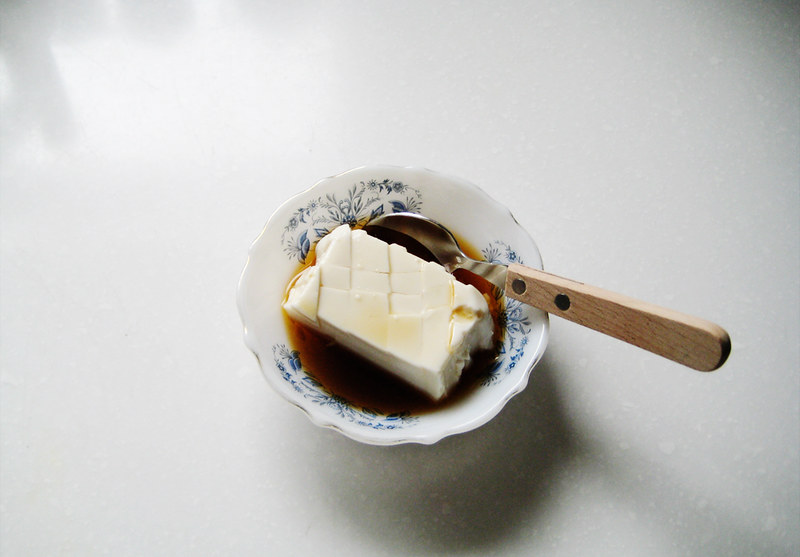
Photo source: openverse, haley. s, Flickr
Feeling a little tired or run-down is common as we age, and sometimes diet plays a part. Iron helps the body carry oxygen in the blood, so getting enough matters at every stage of life. Planning iron-rich meals is a practical and tasty way for New Zealand seniors to support their energy and general wellbeing.
Why iron matters as we get older
Appetite often changes with age, and some people eat smaller portions or less red meat than they once did. Over time, this can make it harder to get enough iron from food alone. If you are concerned about low energy, paleness or breathlessness, a chat with your GP is always the best first step.
Everyday foods rich in iron
Kiwi kitchens already have plenty of good options. Beef, lamb and venison are among the richest sources, and the iron found in meat is easily absorbed by the body. Fish, chicken and eggs also contribute. For those who eat less meat, lentils, chickpeas, baked beans, tofu, oats and fortified breakfast cereals are useful choices. Green leafy vegetables such as silverbeet and spinach add a little more.
Easy iron-rich meals to try
Start the day with porridge topped with chopped dried apricots and a slice of wholegrain toast. For lunch, try a hearty lentil and vegetable soup or an egg and spinach omelette. Dinner might be a slow-cooked lamb casserole with root vegetables, a beef mince shepherd’s pie, or grilled fish with steamed silverbeet. These iron-rich meals are simple to prepare, freeze well and suit smaller appetites when served in modest portions.
Helping your body absorb iron
Pairing iron-rich foods with vitamin C can improve absorption. A glass of orange juice with breakfast, a sliced kiwifruit after lunch, or capsicum and tomato alongside dinner all help. Tea and coffee can reduce absorption when taken with meals, so consider enjoying them an hour or so before or after eating.
A few friendly tips
Cooking in batches saves effort, and tinned fish, frozen vegetables and dried legumes make shopping affordable and convenient. Avoid taking iron supplements unless your doctor or pharmacist recommends them, as too much iron can be harmful.