Why Iron Deficiency in Seniors Is Often Missed

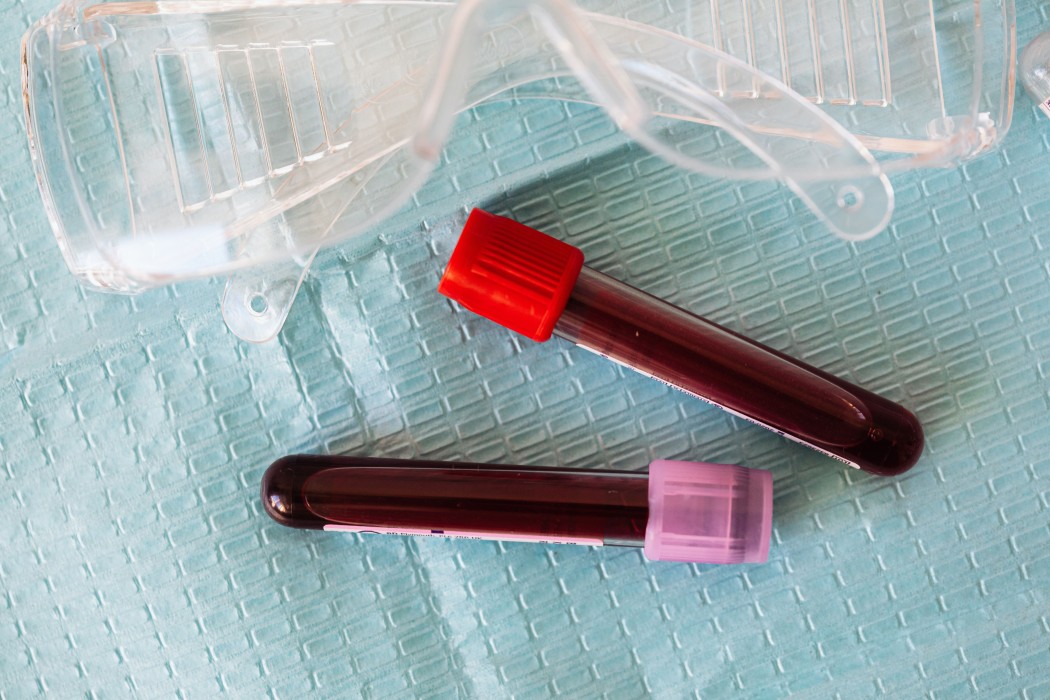
Photo source: Pexels
Iron deficiency in seniors is more common than many people realise, yet it is often overlooked. Because the signs can look like normal ageing, many older New Zealanders live with feeling run down for months before anyone thinks to check. Knowing why it gets missed is the first step towards getting answers.
Symptoms That Blend In With Ageing
Tiredness, breathlessness on the stairs, feeling cold, dizziness, poor concentration and pale skin are easy to put down to getting older. Family members may notice a loved one seems slower or more forgetful and assume it is simply part of life’s later chapters. Iron helps your blood carry oxygen around the body, so when levels are low, you can feel flat, foggy and short of energy.
Other Health Conditions Can Hide the Picture
Many seniors manage arthritis, heart conditions, diabetes or kidney concerns. Fatigue and shortness of breath overlap with these conditions, so low iron can slip under the radar. Some medicines, including certain pain relievers and blood thinners, can irritate the stomach and may cause slow blood loss that is hard to notice.
Why Iron Levels Can Drop Later in Life
Appetite often changes with age. Dental problems, a dulled sense of taste, living alone or finding meals tiring to prepare can all mean fewer iron-rich foods on the plate. Red meat, fish, eggs, legumes and leafy greens are common sources. The body can also absorb iron less efficiently as stomach acid reduces, and drinking tea or coffee with meals may make absorption even harder.
Why Checking Matters
A simple blood test arranged through your GP can show your iron levels. Low iron sometimes points to an underlying cause that deserves a proper look, so it should not be ignored or guessed at. Iron supplements are not right for everyone, and too much iron can cause problems of its own, so always speak with your doctor or pharmacist before starting any.