Why Wounds Heal More Slowly as We Age

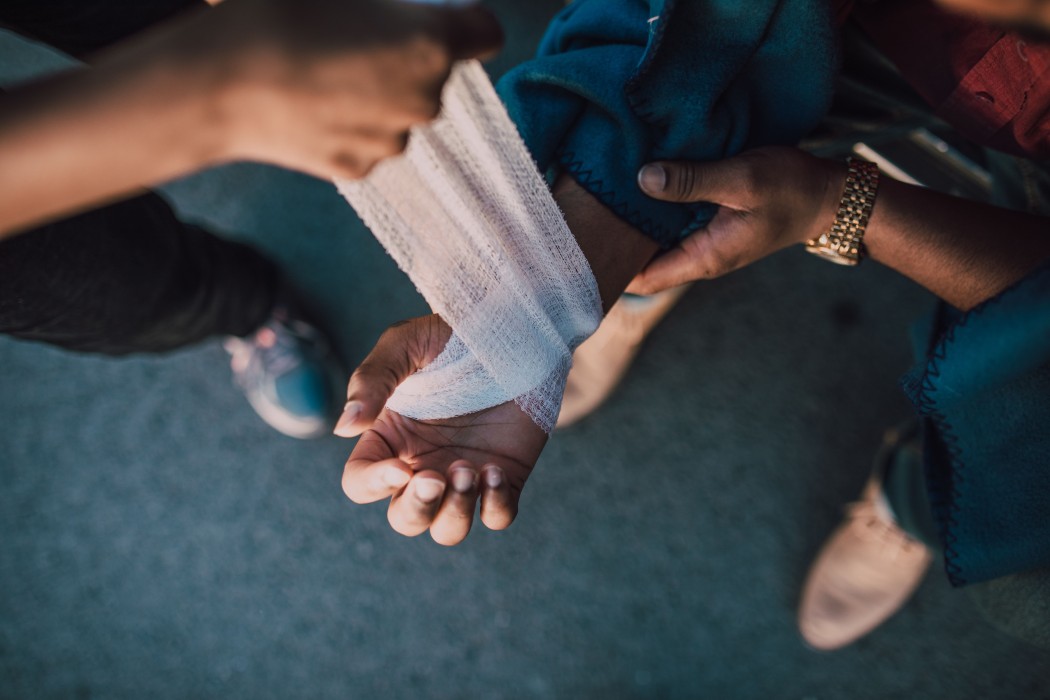
Photo source: Pexels
If you have noticed that a graze or cut now takes much longer to settle than it did when you were younger, you are not imagining it. Slower wound healing is a normal part of ageing, and understanding why can help you look after your skin with confidence.
What Happens to Skin as We Age
Skin changes over the years. The outer layer becomes thinner, and the layer beneath produces less collagen, the protein that keeps skin firm and strong. Thinner skin tears and bruises more easily, and it takes more time to rebuild. The body also renews skin cells at a slower pace, so repairs that once took days may now take weeks.
Reduced Blood Flow
Healing depends on a good supply of blood, which carries oxygen and nutrients to the injured area. With age, blood vessels can become less flexible, and circulation may slow, particularly in the legs and feet. Less oxygen reaching a wound means slower repair.
A Gentler Immune Response
The immune system plays a key role in cleaning a wound and fighting germs. Over time, it responds more slowly, which can make older adults more prone to infection and prolong the early stages of healing.
Health Conditions and Medications
Some common health conditions can affect healing, including diabetes, heart disease and vein problems. Certain medications may also thin the blood or influence how skin recovers. If you take regular medicines, your pharmacist or doctor can explain how they may affect you.
Everyday Ways to Support Healing
Simple habits make a real difference. Keep wounds clean and covered with an appropriate dressing, and follow the advice of your practice nurse. Eating enough protein, along with foods rich in vitamin C and zinc, gives your body the building blocks it needs. Staying hydrated, moving gently each day and not smoking all support good circulation. Protecting your skin from the sun and moisturising regularly can also help prevent injuries in the first place.
When to See Your Doctor
Seek advice if a wound has not improved after a couple of weeks, or if you notice increasing redness, swelling, warmth, pus or a fever. Any wound on the feet of someone with diabetes deserves prompt attention. In New Zealand, you can also call Healthline free on 0800 611 116 at any time for guidance.
Slower healing is a natural part of life, but with patience, good care and the right support, most wounds recover well. This article offers general information only and is not a substitute for personal medical advice.