The Best Vegetables for Heart Health in Older Adults

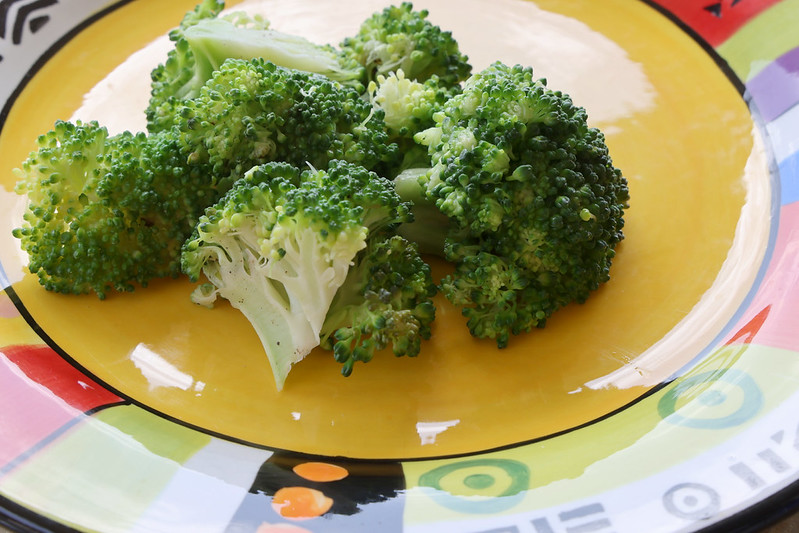
Photo source: openverse, Steve Miller, Flickr
Looking after our heart becomes more important than ever. For seniors, one of the simplest and most enjoyable ways to support cardiovascular health is through diet, and vegetables play a starring role. Eating a variety of vegetables for heart health can help manage blood pressure, reduce cholesterol, and lower the risk of heart disease.
Leafy greens such as spinach, silverbeet, and kale are rich in vitamins, minerals, and antioxidants. They contain nitrates, which may help relax blood vessels and improve blood flow, easing the workload on the heart.
Kumara and orange vegetables, a Kiwi favourite, are packed with beta carotene and fibre. These nutrients support healthy blood vessels and help maintain steady cholesterol levels, making kumara an easy addition to any senior’s weekly meals.
Beetroot has become well known for its heart-supporting properties. Naturally high in nitrates, beetroot may assist with healthy blood pressure when eaten regularly as part of a balanced diet.
Broccoli and other cruciferous vegetables, including cauliflower and brussels sprouts, contain fibre and antioxidants that support healthy arteries and reduce inflammation, both important factors in long-term heart wellness.
Tomatoes are rich in lycopene, an antioxidant linked to heart health. Whether fresh, stewed, or added to soups and pasta, tomatoes are a versatile way to boost vegetable intake.
Carrots and pumpkin, common in New Zealand gardens and supermarkets, offer fibre and potassium, both of which contribute to balanced blood pressure and overall cardiovascular function.
For older adults, incorporating a colourful mix of these vegetables into daily meals is a practical step toward better heart health. Steaming, roasting, or adding vegetables to soups and stews are gentle cooking methods that preserve nutrients while remaining easy to prepare and digest.
It is also worth remembering that heart health is influenced by overall lifestyle, including regular movement, staying hydrated, and maintaining a balanced diet. Small, consistent changes such as adding an extra serving of vegetables at dinner can make a meaningful difference over time.
As always, seniors with existing heart conditions or dietary concerns should speak with their doctor or a registered dietitian before making significant changes to their eating habits.
By embracing a variety of vegetables for heart health, seniors can take simple, enjoyable steps toward a stronger, healthier heart well into their later years.