Why Reducing Food Waste Matters for Seniors

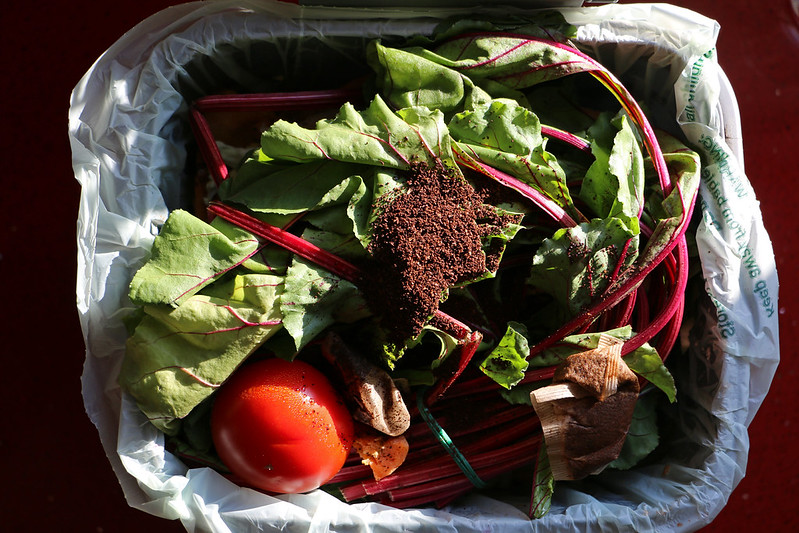
Photo source: openverse, Huw, Flickr
Around 30 million tonnes of food enter New Zealand’s supply chain annually, and an estimated 1.2 million tonnes of this, or 237 kilograms per person, are lost or wasted each year. For older New Zealanders living on fixed incomes, reducing food waste is not just good for the planet; it is also a smart way to stretch the weekly budget further.
One of the biggest reasons food waste matters for seniors is cost. Groceries have become more expensive in recent years, and throwing away unused food means throwing away money. By planning meals carefully, storing food properly, and using leftovers creatively, seniors can make their pension or savings go further while still enjoying nutritious meals.
Food waste also has a direct link to health and wellbeing. When food spoils before it can be eaten, it often means fresh fruits, vegetables, and proteins are lost first. These are exactly the foods seniors need most for maintaining strength, energy, and a healthy immune system. Learning to buy only what is needed and storing food correctly helps ensure that nutritious meals remain part of daily life.
There is also an environmental side to this issue. Food that rots in a landfill produces methane, a greenhouse gas that contributes to climate change. Many seniors in New Zealand grew up with a strong ethic of not wasting resources, and returning to those habits can make a real difference. Simple actions such as composting scraps, freezing extra portions, and using a shopping list can significantly cut down on waste.
Reducing food waste can also support a sense of independence and confidence in the kitchen. Meal planning and portion control are valuable skills that help seniors feel more in control of their health and finances. Community initiatives across New Zealand, including local food rescue organisations, also offer support for those who want to reduce waste while helping others in need.
In the end, reducing food waste is about more than just tidying up the fridge. It supports healthier eating, protects household budgets, and contributes to a more sustainable New Zealand. For seniors, small changes in daily habits can lead to meaningful benefits for both personal wellbeing and the wider community.