Those Swollen Ankles May Be Telling You Something

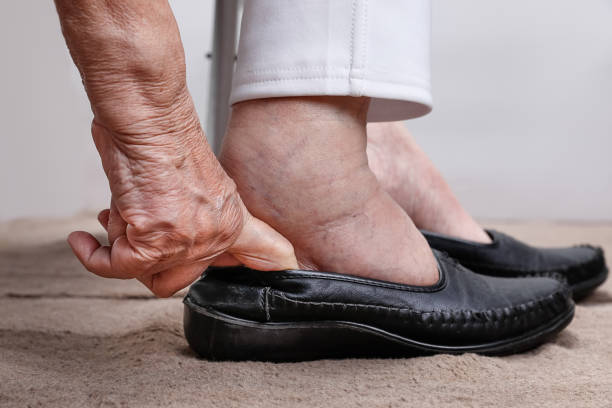
Photo source: iStock
By the end of the day, your shoes can sometimes feel tighter than they did that morning. Your socks may leave deeper marks around your ankles, or your feet might look noticeably puffier than usual. It is tempting to blame a long day on your feet and move on.
Sometimes that is exactly what is happening. Sitting or standing in one position for a long time can contribute to swelling, known as oedema. Certain medicines can also cause it. But swelling in the feet, ankles, or legs can have other causes, including problems affecting the veins, heart, kidneys, or liver.
One useful detail is whether the swelling affects one leg or both. It is also worth noticing whether it comes and goes, gradually becomes more noticeable, or is accompanied by other changes.
Health New Zealand lists swollen feet and legs alongside symptoms such as breathlessness, tiredness, rapid heartbeat, and unexplained weight gain among possible signs of heart failure.
Your medicines are another piece of the puzzle. Some medicines can contribute to fluid retention, while others are specifically prescribed to reduce excess fluid. If swelling began after a new medicine or a dose change, mention the timing to your doctor or pharmacist rather than stopping the medicine yourself.
There are simple things that may help with mild swelling, depending on its cause. Moving regularly rather than sitting for hours, taking short walks, and raising your legs when resting can be useful. But these measures should not become a substitute for finding out why the swelling is happening if it keeps returning.
Pay particular attention if the swelling is new, persistent or accompanied by pain, redness, or warmth. Health New Zealand advises immediate medical attention for lymphoedema symptoms involving pain, redness, or heat, particularly with fever or flu-like symptoms.
And if swollen legs come with sudden severe breathlessness, chest pain, or fainting, seek urgent medical help. These symptoms can indicate a serious problem.
Swollen ankles are common, but “common” does not always mean “nothing to worry about.” If your feet and ankles have started looking different from usual, take note of when it happens and what else you are experiencing. A small change in your socks may be worth mentioning at your next appointment.