Waking Up Soaked Is Not Always the Weather

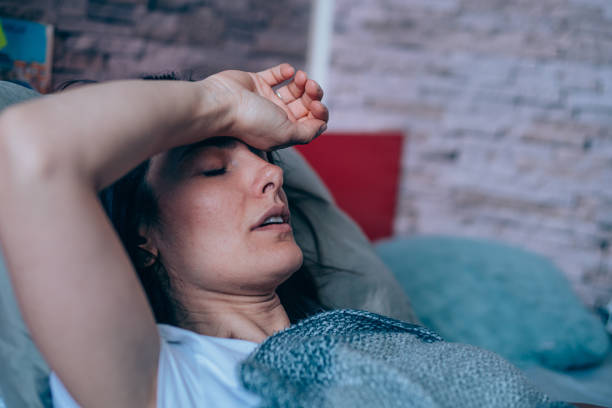
Photo source: iStock
There is a difference between waking up a little warm and waking to find your pyjamas and sheets soaked with sweat. The first might simply mean you have too many blankets on the bed. The second is something worth noticing, particularly if it keeps happening.
Healthify defines night sweats as episodes of heavy sweating that soak your clothes or bedding even when the bedroom itself is not hot. They can happen for many reasons, including hormonal changes, infections, some medicines, thyroid problems, and certain sleep disorders. Sometimes there is no obvious cause.
For some people, particularly women experiencing menopause, night sweats are part of changing hormone levels. But it is not useful to automatically assume that every episode later in life is simply hormonal. Men can experience night sweats too, and medicines or other health conditions can also play a role.
The pattern can tell you something. Make a note of how often it happens, whether you need to change your clothes or bedding, and whether anything else has changed. A new medicine is worth mentioning, as several types of medication can contribute to night sweats.
You can make nights more comfortable by keeping the bedroom cool, using lighter bedding, and wearing loose-fitting clothing made from breathable fabrics. Having a glass of water beside the bed can also be useful if you wake feeling hot and thirsty.
Persistent night sweats deserve more attention if they are disturbing your sleep or affecting your everyday life. Healthify recommends speaking with a healthcare provider, particularly when sweating is accompanied by unexplained weight loss, fever, a cough, localised pain, or diarrhoea.
That does not mean waking up sweaty automatically points to something serious. There are plenty of possible explanations, and some are relatively straightforward.
But if you are regularly changing your sheets in the middle of the night, it is worth mentioning rather than quietly putting it down to the weather. Sometimes a small change in your sleeping pattern is useful information for your doctor.