Building a Walking Habit After 60

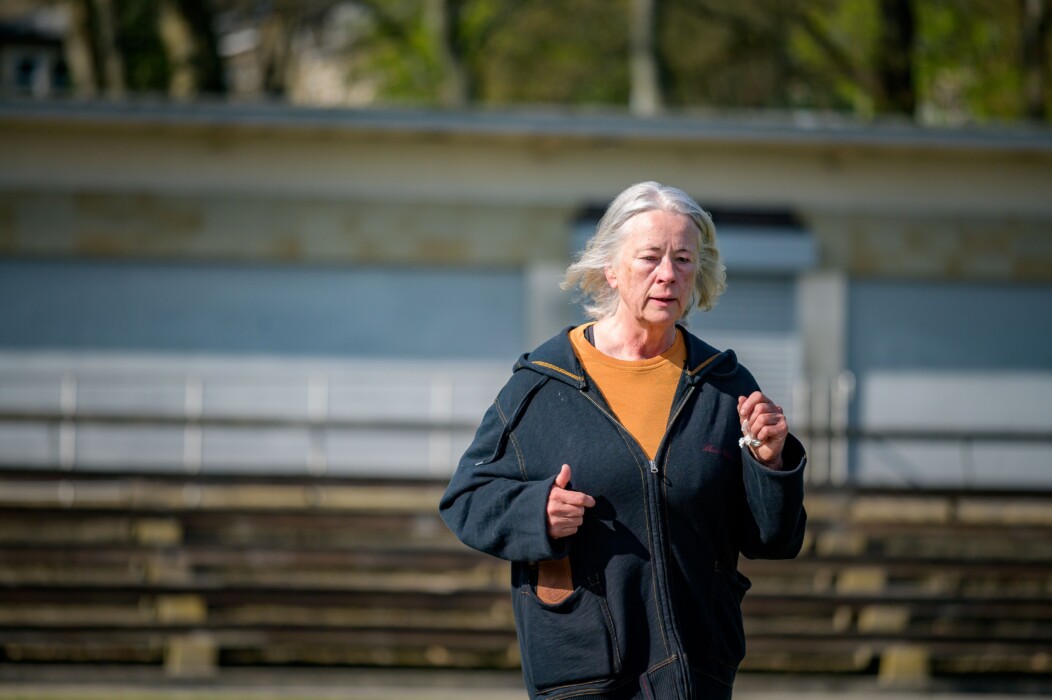
Photo source: openverse, Centre for Ageing Better
Walking is one of the simplest and most rewarding ways to stay active after 60. It requires no special equipment, can be done almost anywhere, and offers real benefits for both body and mind. For older adults across New Zealand, from the coastal paths of Tauranga to the quiet suburban streets of Christchurch, walking is an accessible way to maintain independence and wellbeing.
Starting a walking habit later in life does not need to be complicated. The key is consistency rather than intensity. Beginning with short walks of ten to fifteen minutes, a few times a week, allows the body to adjust gradually. Over time, distance and duration can increase naturally as fitness improves.
Choosing the right time of day matters too. Many seniors find that walking in the cooler morning hours suits them best, especially during warmer months. Wearing supportive, well-fitted shoes helps prevent discomfort and reduces the risk of falls, which is particularly important for older walkers.
Walking with a friend, neighbour, or local walking group can make the habit more enjoyable and easier to stick with. Many New Zealand communities offer free or low-cost walking groups designed specifically for older adults, providing both social connection and gentle encouragement to keep moving.
It is also worth choosing familiar, flat, and well-maintained paths when starting out. Local parks, reserves, and waterfront walkways found throughout New Zealand towns and cities are often ideal for this purpose. As confidence builds, gradually introducing gentle inclines can help improve strength and balance.
Listening to the body is essential. Mild tiredness is normal, but sharp pain, dizziness, or breathlessness should never be ignored. Checking in with a doctor before starting a new walking routine is a sensible step, particularly for those managing existing health conditions.
The benefits of regular walking extend well beyond fitness. It supports heart health, strengthens muscles and joints, improves balance, and can lift mood and reduce feelings of isolation. For many seniors, it also becomes a peaceful part of the daily routine, offering time to enjoy fresh air and nature.
Building a walking habit after 60 is not about pace or distance. It is about steady, enjoyable movement that fits comfortably into everyday life. With patience and consistency, walking can become a lasting source of health and happiness in the years ahead.