When a Wound Just Won’t Heal

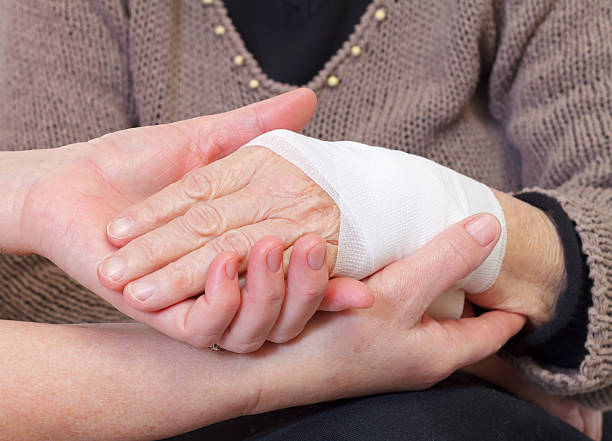
Photo source: iStock
A small cut or scrape usually isn’t something we think twice about. We clean it, cover it, and expect it to disappear within days. But if a wound isn’t healing as expected, particularly if it keeps reopening, becomes increasingly painful, or shows signs of infection, it’s worth having it checked.
Healing can take longer as we get older. Blood circulation, skin changes, nutrition, and certain medications can all affect how quickly the body repairs damaged tissue. Conditions such as diabetes can also make some wounds particularly slow to heal.
Pay attention to how the area changes. Increasing redness, warmth, swelling, pain, or discharge can indicate an infection. A wound that develops a bad smell or causes you to feel feverish also deserves prompt medical attention.
The location of the wound matters, too. Sores on the feet and lower legs can sometimes be associated with circulation problems or diabetes and may require professional assessment, particularly if they aren’t improving.
Basic wound care still matters. Gently clean minor cuts, keep them protected, and follow any instructions you’ve been given by your healthcare professional. Avoid repeatedly picking at a scab or reopening the area to check whether it’s healed.
Nutrition can also support the healing process. Getting enough protein, calories, vitamins, and minerals is important, particularly if your appetite has decreased or you’ve been losing weight. If you’re concerned that you’re not eating enough, discuss it with your GP or a dietitian.
Don’t wait indefinitely for a wound to heal if something doesn’t seem right. A healthcare professional can determine whether there’s an underlying reason for the delay and whether additional treatment is needed.
A wound that refuses to heal isn’t necessarily a sign of something serious, but it is a good reason to find out what’s getting in the way.