Regular Dental Checks Protect More Than Your Smile

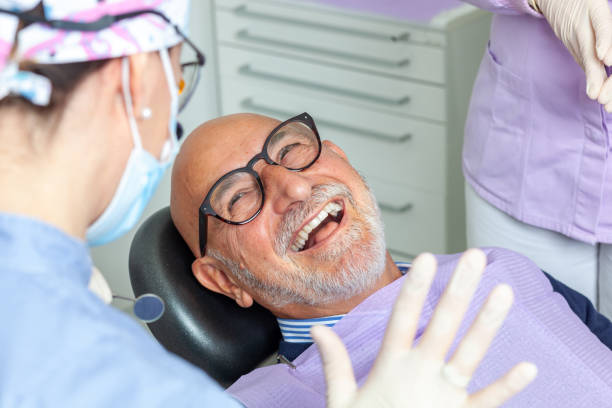
Photo source: iStock
It’s easy to postpone a dental appointment when nothing hurts. After all, if your teeth feel fine, it can seem unnecessary to spend time and money having them checked. The problem is that several dental issues can develop quietly before they become painful, and some are much easier to manage when they’re found early.
As we age, changes in saliva production, medications, diet, and general health can affect the mouth. Dry mouth, for example, can increase the risk of tooth decay and make speaking or swallowing less comfortable. Some medications commonly used later in life can also contribute to reduced saliva production.
Gum health deserves attention, too. Red, swollen, tender, or bleeding gums can be signs of gum disease. Persistent bad breath, sensitive teeth, or loose teeth can also indicate a problem that needs professional attention.
Dentures require care as well. They should fit comfortably and shouldn’t cause persistent sore spots or difficulty eating. If your dentures have become loose or uncomfortable, a dentist may be able to adjust or replace them rather than leaving you to cope with the problem.
A dry mouth can sometimes be managed with simple measures such as drinking water regularly or chewing sugar-free gum. But if dryness persists, mention it to your dentist or GP. They can check whether medication or another health issue may be contributing.
Regular dental appointments also provide an opportunity to discuss changes you may have noticed yourself. A small sensitivity, a chipped tooth, or difficulty chewing may seem insignificant, but addressing these problems early can sometimes prevent them from becoming more complicated.
Healthy teeth, gums, and dentures make it easier to eat comfortably, speak clearly, and enjoy the foods you love. Even when nothing hurts, keeping your next dental appointment could be one of the simpler ways to protect your health.