Everyday Habits That Speed Up Wound Healing

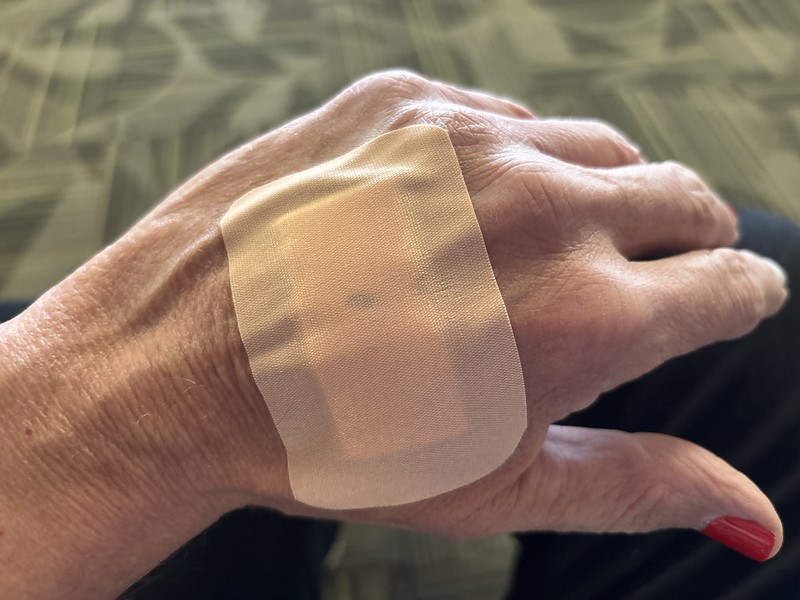
Photo source: openverse, Kayla Allen, Flickr
As we get older, our skin becomes thinner and takes longer to repair itself. This is a normal part of ageing, but it does not mean seniors have to accept slow healing as inevitable. A few simple daily habits can make a real difference to how quickly cuts, grazes, and other wounds recover. Here are some practical wound healing tips that older adults across New Zealand can start using today.
Keep the Wound Clean and Covered
One of the most important wound healing tips is proper cleaning. Gently rinsing a wound with clean water and covering it with a suitable dressing helps protect it from dirt and bacteria. Changing dressings regularly, as advised by a nurse or doctor, reduces the risk of infection and supports steady healing.
Eat Well to Support Repair
Good nutrition plays a big role in how the body heals. Foods rich in protein, vitamin C, and zinc, such as eggs, fish, citrus fruits, and leafy greens, help the body rebuild tissue. Many pharmacies and GP clinics in New Zealand can offer guidance on dietary choices for seniors who are recovering from surgery or managing chronic wounds.
Stay Hydrated
Drinking enough water each day keeps skin healthier and more resilient. Dehydration can slow circulation, which in turn slows the delivery of nutrients and oxygen needed for healing.
Keep Moving Gently
Light physical activity, such as short walks around the garden or neighbourhood, improves blood flow. Better circulation means healing nutrients reach the wound site more efficiently. Always check with a healthcare provider before starting new activity, especially after surgery.
Manage Underlying Health Conditions
Conditions like diabetes and poor circulation can significantly slow wound healing. Keeping regular appointments with a GP and monitoring blood sugar levels or blood pressure supports better healing outcomes over time.
Avoid Smoking and Limit Alcohol
Smoking restricts blood flow and oxygen delivery to the skin, while excessive alcohol can interfere with the immune system. Cutting back on both can noticeably improve recovery times.
Get Enough Rest
Sleep gives the body time to repair itself. Aiming for consistent, quality rest each night supports the body’s natural healing processes.
Is It Time to Seek Help?
If a wound shows signs of infection, such as redness, swelling, warmth, or unusual discharge, it is important to contact a GP or visit a local clinic promptly. Early attention often prevents small issues from becoming bigger problems.
By building these habits into daily routines, seniors throughout New Zealand can support their body’s natural healing ability and enjoy better outcomes after everyday cuts, scrapes, or medical procedures.