Do Wounds Heal Slower As We Age?

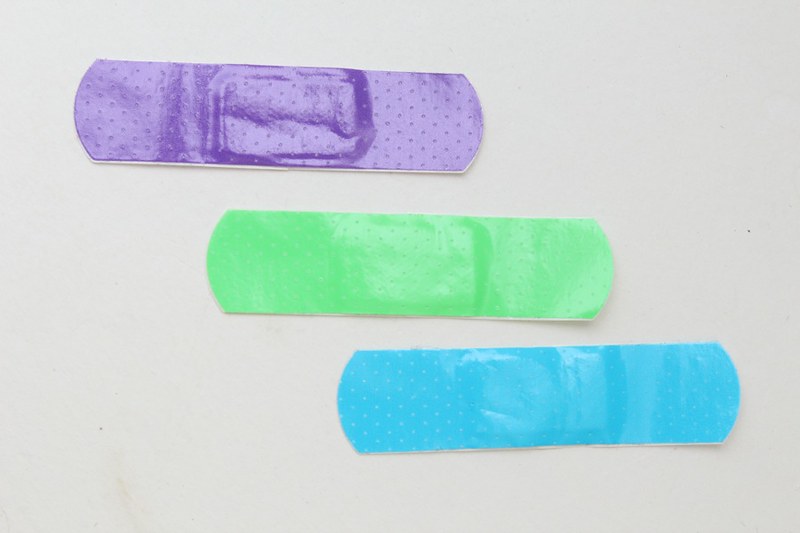
Photo source: openverse, Galeria Do Vou Comprar, Flickr
If you have noticed that a small cut or bruise takes longer to heal than it used to, you are not imagining it. As we get older, our skin and body naturally become slower at repairing damage. This is a common concern for older adults across New Zealand, particularly when it comes to skin tears in older adults, one of the most frequent skin injuries seen in people over 65.
Why Healing Slows Down With Age
Ageing skin becomes thinner, drier and less elastic. The layer of fat beneath the skin reduces, and blood circulation often becomes less efficient. Collagen production, which helps skin stay firm and repair itself, also declines over time. Combined, these changes mean cuts, bruises and tears simply take longer to close and recover.
What Are Skin Tears?
Skin tears in older adults happen when the skin separates from the layers underneath it, often caused by something as minor as bumping into furniture, removing a plaster, or even gentle pressure from a wheelchair or bed rail. Because older skin is more fragile, these injuries can occur more easily than people expect and may bleed or bruise more than a typical cut.
Why This Matters for Seniors in NZ
New Zealand has an ageing population, and skin tears are one of the leading causes of wound-related hospital and clinic visits among older adults. Cooler winters, central heating, and drier indoor air common in many Kiwi homes can also contribute to dry, more fragile skin, increasing the risk of tears.
Supporting Healthy Skin as You Age
While ageing skin cannot be reversed, there are simple everyday habits that support better healing and reduce injury risk. Keeping skin moisturised, staying well hydrated, eating a balanced diet with adequate protein, and protecting skin from bumps and sun exposure all help maintain skin strength. Wearing long sleeves or protective clothing during gardening or housework can also lower the chance of accidental tears.
When to Seek Advice
Any wound that does not show signs of improvement within a week or becomes red, swollen or increasingly painful should be checked by a GP, practice nurse, or district nursing service. Early care makes a significant difference in preventing complications.
Slower healing is a natural part of ageing, but understanding why skin tears in older adults occur can help seniors and their families take simple, practical steps to protect skin health and support faster, safer recovery.