Habits That Work Against Bone Health (And What to Do Instead)

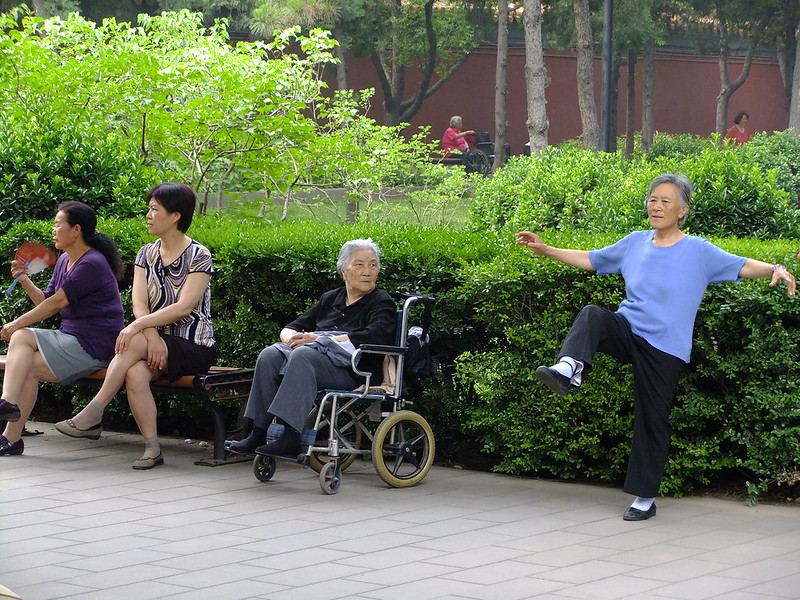
Bones don’t complain when they’re struggling. There’s no ache, no warning sign, nothing that tells you something is wrong until a fall leads to a fracture. That’s what makes bone health tricky, especially after 50. A lot of the damage comes not from one big event, but from small daily habits that add up over years.
The good news is that most of these habits can be changed. You don’t need a complete life overhaul, just a clearer picture of what’s working against you. Here are the everyday habits that quietly chip away at bone strength and what you can do instead.
Sitting for most of the day
Bones respond to pressure and movement. When you’re active, your body reads that as a signal to keep bones dense and strong. When you sit for long stretches, day after day, that signal fades.
This doesn’t mean you need to run marathons. Even standing up every hour, taking a short walk after meals, or doing light housework makes a difference. Bones like to be reminded that they’re needed.
Skipping weight-bearing exercise
Walking helps, but it isn’t the whole picture. Weight-bearing and resistance activities, like climbing stairs, carrying groceries, or using light hand weights, put real stress on bone tissue in a good way. That stress tells your body to keep building bone rather than letting it thin out.
Many seniors stick only to swimming or cycling because they feel gentler on the joints. Those are great for the heart, but they don’t do as much for bones since the body is supported by water or a seat. Mixing in some resistance work a few times a week can make a real difference.
Not getting enough calcium and vitamin D
This one gets talked about a lot, but it’s still overlooked more than people realise. As we age, the body absorbs calcium less efficiently, so the amount that worked fine at 40 may not be enough at 70.
Vitamin D matters just as much, since it helps the body actually use the calcium you take in. Many older adults spend less time outdoors, which lowers natural vitamin D production from sunlight. A simple blood test can show if you’re low, and food or supplements can fill the gap if needed.
Smoking
Smoking interferes with the cells responsible for building new bone. It also reduces blood supply to bones and can lower oestrogen levels in women, which speeds up bone loss after menopause. Quitting at any age still helps slow the damage, even if some of it has already been done.
Drinking more than a little alcohol
An occasional drink isn’t the concern. Regular heavy drinking is. Alcohol interferes with calcium absorption and can affect the hormones involved in bone formation. It also raises the risk of falls, which is its own danger when bones are already fragile.
Too much salt
Salt causes the body to lose calcium through urine. A diet heavy in processed foods, canned soups, and salty snacks adds up faster than most people expect. Cutting back doesn’t mean bland meals. Herbs, citrus, and spices can replace a lot of the flavour that salt provides.
Getting too little protein
Bone isn’t just mineral; it has a protein framework underneath that gives it flexibility and strength. Many older adults eat less protein than they need, sometimes without realising it, especially if appetite has decreased. Eggs, fish, beans, dairy, and lean meats all support both bone and muscle, which also helps prevent falls.
Avoiding the sun completely
Sunscreen and shade have their place, but some safe sun exposure helps the body produce vitamin D naturally. A short walk outside on a clear day, without overdoing it, can support bone health alongside diet and supplements.
Ignoring balance and fall prevention
Strong bones matter less if a fall happens in the first place. Poor balance, loose rugs, dim lighting, and unsteady footwear all raise fall risk. Simple balance exercises, like standing on one foot while holding a counter, can build stability over time and reduce the chance of a fracture.
Remember, None of These Habits Need to be Fixed Overnight
Bone health improves gradually, the same way it declines gradually. Adding a short walk, swapping a salty snack for something else, cutting back on alcohol, or simply asking your doctor about a vitamin D test are all reasonable starting points.