Preventing Osteoporosis Through Diet

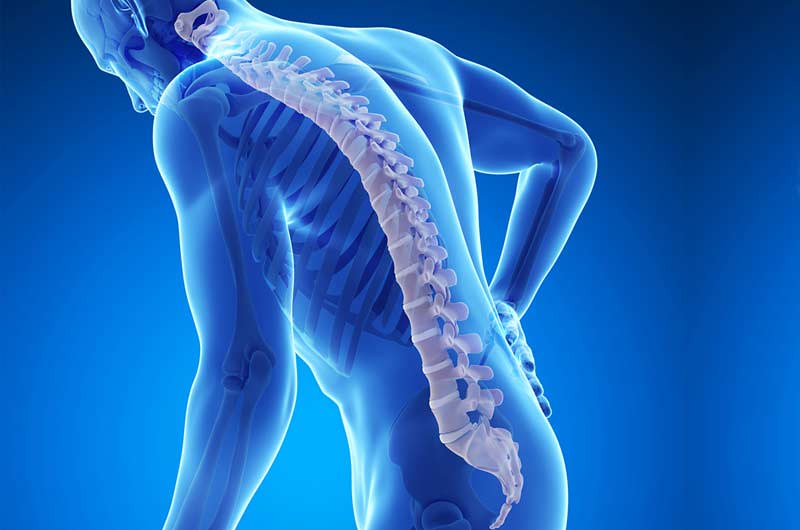
Photo source: openverse, Medkumo Health, Flickr
If you’re over 50 and living in New Zealand, your bones deserve some attention right about now. Osteoporosis New Zealand reports that one in three women and one in five men over 50 will suffer an osteoporotic fracture in their lifetime. Every year, more than 22,000 fragility fractures happen to New Zealanders in this age group, and falls and fracture-related injuries are now costing ACC hundreds of millions of dollars annually, a number that keeps climbing.
The good news is that a lot of bone loss is preventable. While genetics and age play a role, what’s on your plate matters just as much. This guide walks through the practical, everyday dietary changes that can help protect your bones for years to come.
What Is Osteoporosis, Really?
Osteoporosis is often called a “silent disease” because it develops quietly, with no pain or obvious symptoms, until a bone breaks. Your bones are living tissue that constantly rebuilds itself. As we age, especially after menopause for women, the rate of bone breakdown starts to outpace the rate of bone rebuilding. The result is bones that become porous, fragile, and prone to fracture, sometimes from something as minor as a stumble or a hard sneeze.
The spine, hips, and wrists are the most common fracture sites. A hip fracture in particular can be life-changing. Studies show that a significant percentage of older adults don’t fully return to their previous level of independence after one. This is exactly why prevention through diet, alongside movement and medical checkups, is worth taking seriously.
Calcium: The Building Block Your Bones Need
Calcium is the mineral most people associate with bone health, and for good reason. Roughly 99 percent of the calcium in your body is stored in your bones and teeth. When your diet doesn’t supply enough, your body pulls calcium from your bone reserves to keep other systems like your heart and muscles running properly. Over time, that constant withdrawal weakens the skeleton.
Adults over 50 generally need around 1000 to 1300mg of calcium a day, though this can vary, so it’s worth checking with your GP or a dietitian about your specific needs.
Good New Zealand-friendly calcium sources include the following:
Dairy products like milk, cheese, and yoghurt (calcium-fortified options are widely available in NZ supermarkets)
Canned salmon or sardines, eaten with the soft bones
Tofu, especially varieties set with calcium sulphate
Leafy greens such as bok choy, broccoli, and kale
Almonds and sesame seeds (tahini is a handy one to keep in the pantry)
Calcium-fortified plant milks like soy, oat, or almond milk
If you’re not a big dairy eater, don’t panic. You can absolutely hit your calcium targets through a mix of plant foods and fortified products. It just takes a little more planning.
Vitamin D: Calcium’s Essential Partner
Here’s the catch with calcium: your body can’t absorb it properly without enough vitamin D. You could eat all the cheese and yoghurt in the world, but without vitamin D, much of that calcium won’t make it into your bones where it’s needed.
New Zealand has a particular vitamin D challenge. Our winters, especially in the South Island, mean many older adults don’t get enough sun exposure to produce sufficient vitamin D naturally. Add to that the fact that older skin is less efficient at producing vitamin D from sunlight, and it’s easy to see why deficiency is common among Kiwi seniors, particularly those who spend most of their time indoors or in residential care.
Protein: Often Overlooked, Genuinely Important
Bone isn’t just mineral; it also has a protein framework called ‘collagen’ that gives it flexibility and strength. As we age, protein needs actually increase, not decrease, partly to help preserve muscle mass and bone density.
Good sources include lean meat, poultry, fish, eggs, legumes, and dairy. If your appetite has shrunk over the years (which is common), try spreading protein across smaller meals throughout the day rather than relying on one big dinner.
Other Nutrients That Support Bone Health
A few other players deserve a mention, since bone health is really a team effort of nutrients:
Magnesium helps convert vitamin D into its active form. Found in nuts, seeds, whole grains, and leafy greens.
Vitamin K helps direct calcium to your bones rather than your arteries. Found in leafy greens, broccoli, and Brussels sprouts.
Potassium helps reduce calcium loss through urine. Bananas, kūmara, and potatoes are easy sources. Omega-3 fatty acids may help reduce inflammation linked to bone breakdown. Found in oily fish and flaxseed.
A Word on Supplements
Food should always come first, but if you’re struggling to get enough calcium or vitamin D through diet alone, supplements can help fill the gap. It’s worth having a chat with your GP or pharmacist before starting anything new, particularly since calcium supplements have been linked to some cardiovascular concerns in certain people, and dosing really should be tailored to you.
Final Thoughts
Osteoporosis might be common among New Zealand seniors, but it isn’t inevitable, and it certainly isn’t something you have to face without options. A diet rich in calcium, vitamin D, protein, and supporting nutrients, paired with regular movement and a chat with your doctor about your personal risk, can make a genuine difference to your bone strength and your independence down the track.
Your bones have carried you this far. A few thoughtful changes at the dinner table can help make sure they keep carrying you for many years to come.
This article is general information and isn’t a substitute for personalised medical advice. If you have concerns about your bone health, speak with your GP or contact Osteoporosis New Zealand for support and resources.