What Is “White Coat Syndrome” and Should You Worry About It?

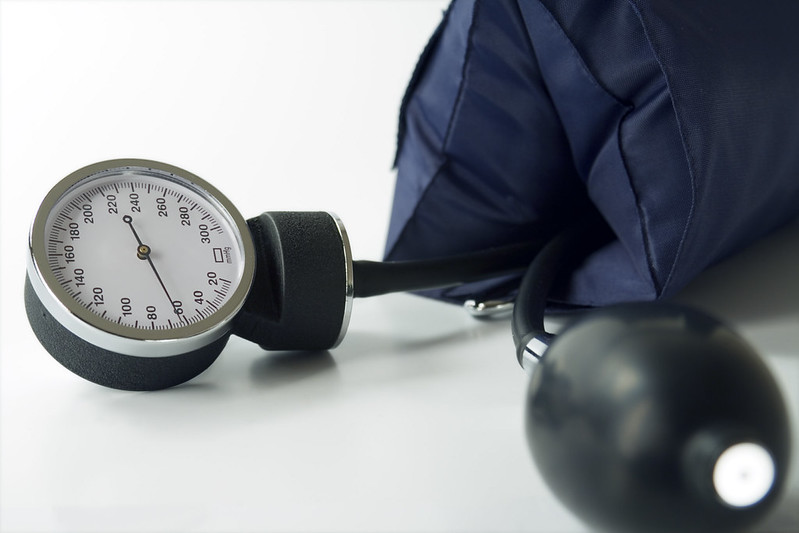
Photo source: openverse, stephanebenito, Flickr
You’ve probably had this happen. You’re sitting at home, feeling perfectly fine. Then you get to the doctor’s office, the nurse wraps that blood pressure cuff around your arm, and suddenly the number on the screen is much higher than you expected.
If this sounds familiar, you’re not alone, and you’re not imagining things. This is a real and well-documented phenomenon called “white coat syndrome,” and it affects millions of people, especially as we get older.
What Exactly Is White Coat Syndrome?
White coat syndrome (also called white coat hypertension) happens when your blood pressure rises specifically in a medical setting, even though it’s normal the rest of the time. The name comes from the white coats doctors traditionally wear, since just seeing that coat walk through the door can trigger a stress response in your body.
It’s not that you’re being dramatic or overly anxious. Your body is doing exactly what it’s designed to do. When you feel nervous or on edge, even a little, your body releases stress hormones like adrenaline. Those hormones cause your heart to beat a bit faster and your blood vessels to tighten slightly, which raises your blood pressure. This can happen even if you don’t consciously feel nervous at all.
Why Does This Happen More as We Age?
There are a few reasons white coat syndrome tends to show up more often, or more noticeably, in older adults.
More doctor visits. Simply put, the more time you spend in medical settings, the more chances there are for this reaction to occur.
Past health experiences. If you’ve had a serious diagnosis, a hospital stay, or a scary health scare in the past, it’s natural for your body to associate doctor visits with worry, even years later.
Blood vessels change with age. Blood vessels naturally become a bit stiffer over time, which can make blood pressure more reactive to stress in general.
Talking about health can bring up real concerns. Doctor visits often involve discussing memory, mobility, medications, or other worries that matter more as we age, and that alone can raise anxiety in the moment.
None of this means anything is wrong with you. It simply means your body is responding to a stressful moment, the same way it might if you were stuck in traffic or running late for something important.
Should You Actually Worry About It?
Here’s the reassuring part. In most cases, white coat syndrome itself is not dangerous. It’s a temporary spike, not a sign that something is seriously wrong with your heart or your health.
That said, it’s not something to completely ignore either, for a couple of reasons.
It can lead to a wrong diagnosis. If a doctor only ever sees your blood pressure in the office, they might think you have high blood pressure (hypertension) when your numbers are actually normal the rest of the time. This could lead to medication you don’t necessarily need.
It can sometimes hide a real issue. There’s an opposite condition called “masked hypertension,” where blood pressure looks normal at the doctor’s office but is actually elevated at home. This is why it’s so important to track your numbers in more than one setting.
Long-term, unmanaged stress matters. Even if a single high reading isn’t dangerous, if you feel anxious or tense at every single medical visit, that pattern of stress is worth addressing for your overall wellbeing, not just for the sake of one number.
How Do You Know If It’s White Coat Syndrome?
The only real way to know for sure is to compare your blood pressure in different settings. Your doctor may suggest one of these approaches:
Home monitoring. Using a simple, validated blood pressure monitor at home, at the same time each day, for a week or two.
24-hour monitoring. Wearing a small portable device that checks your blood pressure automatically throughout the day and night.
Repeat readings. Taking your blood pressure a few times during the same visit, since it often settles down after the first minute or two once you relax.
If your readings are consistently normal at home but consistently high at the doctor’s office, that’s a strong sign you’re dealing with white coat syndrome rather than true high blood pressure.
What Can You Do About It?
The good news is there are simple, gentle ways to ease this response.
Get there a little early. Rushing in at the last minute adds stress. Arriving a few minutes early gives your body time to settle before your appointment.
Breathe slowly before your reading. A few slow, deep breaths, in through the nose and out through the mouth, can calm your nervous system in just a minute or two.
Talk to your doctor or nurse about it. Simply saying, “I tend to get nervous here; my numbers might be higher than usual” can help them interpret the reading correctly, and it may even help you relax a little just by naming it out loud.
Keep a home log. Bringing in a written or printed record of your home blood pressure readings gives your doctor the fuller picture they need.
Ask for a second reading. It’s completely reasonable to ask them to check again toward the end of your visit, once you’ve had time to settle in.
This article is for general information only and is not a substitute for medical advice. Please talk with your doctor about any concerns regarding your blood pressure or overall health.