High Blood Pressure vs. Low Blood Pressure: Symptoms Seniors Should Know

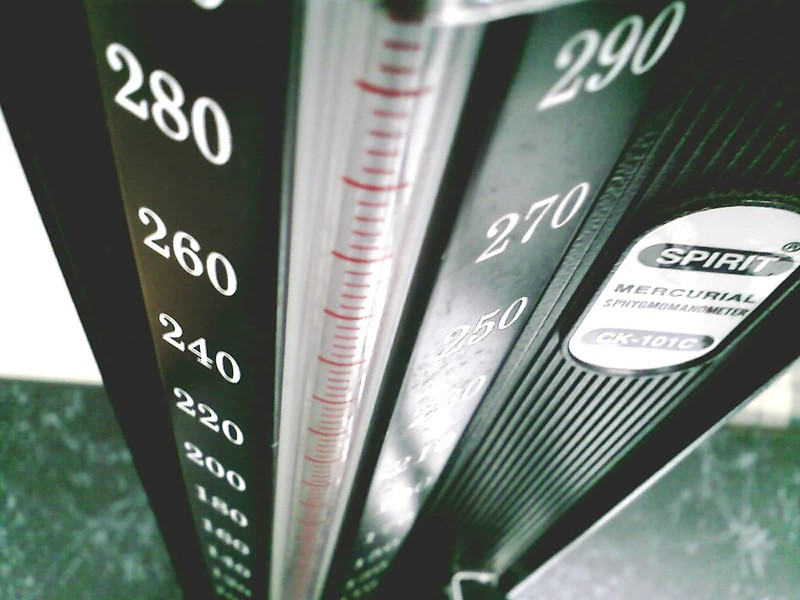
Photo source: openverse, docfiles, Flickr
Blood pressure is one of those things we don’t think much about until a doctor mentions it at a checkup. But as we get older, keeping an eye on it becomes a lot more important. Both high blood pressure and low blood pressure in seniors can sneak up quietly, and knowing the difference between the two can help you or a loved one catch a problem before it turns into something serious.
Let’s break down what each condition looks like, what symptoms to watch for, and when it’s time to call the doctor.
High Blood Pressure in Seniors: The Quiet One
High blood pressure in seniors has earned the nickname “the silent killer” for good reason. Most people don’t feel a thing, even when their numbers are dangerously high. That’s exactly what makes it tricky for seniors. You can feel perfectly fine and still be at risk for a stroke or heart attack.
That said, some people do notice symptoms once blood pressure climbs quite high, including headaches, especially at the back of the head, dizziness or a foggy feeling, blurred or disturbed vision, shortness of breath, nosebleeds, and a pounding feeling in the chest, neck, or ears.
If any of these show up, especially several at once, it’s worth getting checked out right away. But don’t wait for symptoms. Regular blood pressure checks are the only reliable way to catch high blood pressure early, which is why so many doctors recommend checking it at home a few times a week.
Low Blood Pressure in Seniors: Easy to Miss, Easy to Feel
Low blood pressure in seniors gets a lot less attention than high blood pressure, but for seniors it can actually cause more day-to-day trouble. As we age, blood vessels lose some of their flexibility, and the body doesn’t always adjust quickly when we stand up or change position. This can lead to a sudden drop in blood pressure that causes real, noticeable symptoms.
Common signs of low blood pressure include feeling lightheaded or dizzy, especially when standing up; blurry vision; nausea; fatigue or unusual weakness; trouble concentrating; fainting or near-fainting spells; and cold, clammy, or pale skin.
That dizzy spell when getting up from a chair too fast isn’t just “getting older”. It’s often a sign of low blood pressure, and it’s one of the leading reasons seniors fall. Falls are a big deal at this stage of life, so this symptom in particular should never be brushed off.
Why Age Makes This More Complicated
Getting older changes how the body handles blood pressure in a few ways. Blood vessels naturally stiffen over time, which tends to push blood pressure up. At the same time, some medications commonly prescribed to seniors, including certain blood pressure medications themselves, can cause blood pressure to dip too low, particularly after standing up.
This means a person can actually experience both high and low blood pressure symptoms at different times, sometimes even in the same day. It’s not unusual, but it does mean paying closer attention to how you feel and keeping track of your readings over time rather than looking at just one number.
Managing High and Low Blood Pressure
High and low blood pressure can look and feel very different, but they share one thing in common: they’re both easier to manage when caught early. A home blood pressure monitor and a little bit of awareness can go a long way toward staying safe and independent. If something feels off, trust that instinct and reach out to your doctor. It’s always better to ask a question that turns out to be nothing than to ignore a symptom that turns out to matter.