Planning a Trip Around Medication Schedules and Medical Needs

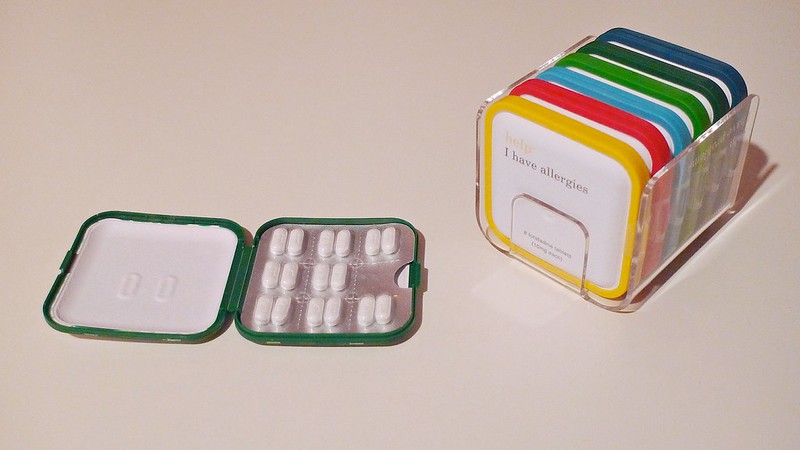
Photo source: openverse, Johan Sunin, Flickr
Travelling doesn’t stop just because you’re managing a few prescriptions or a chronic condition. It just means your packing list looks a little different, and your planning starts a little earlier. With some thoughtful preparation, you can enjoy your trip without spending it worried about whether you brought enough insulin or forgot your blood pressure medication in the bathroom cabinet at home.
Travelling with Medications: Things You Need to Understand
Start With a Conversation, Not a Suitcase
Before you book anything, talk to your doctor. This is especially important if you’re crossing time zones, travelling somewhere with a very different climate, or heading somewhere far from quality medical care.
Make a Master Medication List
Create one clear document that lists every medication you take, including the generic name, dosage, and why you take it. Keep both a paper copy and a photo of it on your phone.
This list is useful for three reasons. First, if a pharmacy abroad needs to fill a prescription, generic names are recognised internationally even when brand names aren’t. Second, if you lose your pills or a bag goes missing, you can quickly get replacements. Third, if you need medical attention while travelling, this list speaks for you when you might be too rattled to remember every detail.
Pack More Than You Think You Need
A good rule of thumb is to pack enough medication for your full trip, plus a few extra days. Delays happen. Flights get cancelled. The weather doesn’t care about your itinerary.
Build Your Itinerary Around Your Schedule, Not the Other Way Around
It’s tempting to pack every hour of a trip with activities. But if you take medication at specific times, or need rest periods, or manage a condition that flares up with fatigue, your itinerary should respect that.
Look at your day and ask where the natural pauses are. If you take medication with food at noon, plan lunch around that instead of trying to squeeze in one more museum. If afternoons are when you’re most tired, schedule lighter activities then and save the more active plans for the morning.
Think Through Time Zones Ahead of Time
If your trip crosses several time zones, ask your doctor how to handle your medication schedule during the transition. Some medications are flexible and can shift gradually over a few days. Others, especially ones tied closely to blood sugar or heart rhythm, need more careful timing.
A simple trick many travellers use is to keep one watch or phone set to home time just for medication purposes, so you’re never confused about when your next dose is due.
Know Where to Get Help Before You Need It
Before you leave, take a few minutes to research the nearest hospital or urgent care to where you’re staying; whether your health insurance covers you while travelling and, if not, whether travel medical insurance makes sense for this trip; and a pharmacy near your accommodation, in case you need something replaced or refilled.
If you’re travelling internationally, check whether your medications are legal in your destination country. Some countries restrict medications that are common in the US, even ones that seem harmless like certain cold medicines or ADHD prescriptions.
Travel With Someone Who Knows Your Needs
If you’re travelling with a friend, spouse, or family member, take a few minutes before the trip to walk them through your medication schedule and what to do in case of an emergency. This isn’t about making them your caretaker. It’s about having a second set of eyes and a backup plan.
If you’re travelling solo, consider sharing your itinerary and daily check-ins with someone back home. A quick text each evening can offer real peace of mind, for you and for them.
With the right preparation, your health needs don’t have to hold you back from seeing new places or visiting people you love. A little extra planning, a conversation with your doctor, a well-packed bag, and a realistic itinerary can go a long way. The goal isn’t to travel despite your medical needs. It’s to travel in a way that actually works with them.