Lung Cancer in Older Adults: The Most Common Signs and Risk Factors

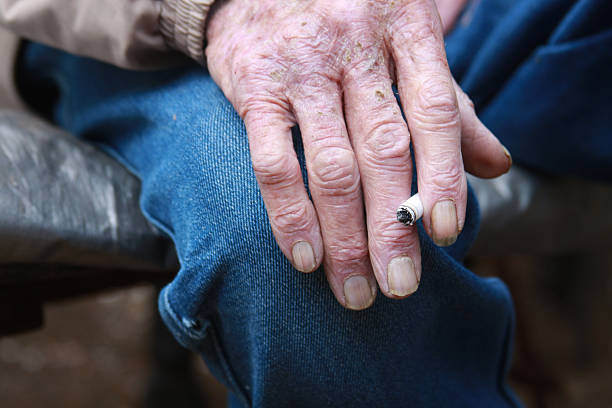
Photo source: Getty Images
Lung cancer remains one of the leading causes of cancer deaths worldwide, and it disproportionately affects older adults—over 70% of cases occur in people aged 65 and older.
As we age, our bodies become more vulnerable to this disease, but recognising early signs of lung cancer in older adults and understanding risk factors can make a life-saving difference.
Most Common Signs of Lung Cancer in Older Adults
Symptoms often mimic ageing or other conditions, delaying diagnosis. Here’s what to monitor:
Persistent cough
A new, worsening cough lasting weeks, or one that brings up blood (haemoptysis).
Shortness of breath
Unexplained wheezing or feeling winded during routine activities.
Chest pain
Sharp or dull pain that worsens with deep breaths, coughing, or laughing.
Unintentional weight loss and fatigue
Dropping pounds without diet changes, paired with constant tiredness.
If you’re over 65 and notice these, especially with a smoking history, consult a doctor promptly—don’t dismiss them as “just getting old.”
Key Risk Factors in Older Adults
While smoking causes most of the cases, other factors compound risks over decades:
Secondhand Smoke
Lifetime exposure to secondhand smoke from family, work, or social settings significantly raises odds, especially for older adults with decades of passive inhalation. This invisible hazard delivers many of the same carcinogens as direct smoking, compounding damage in already fragile airways.
Air Pollution
Chronic exposure to fine particles from traffic, industry, and wildfires accumulates over a lifetime, disproportionately burdening urban older adults. Ageing lungs struggle more with inflammation from pollutants like PM2.5, accelerating cancer in those with prior damage.
Family History and Genetics
Inherited gene mutations (e.g., EGFR) or a family lung cancer history elevate susceptibility, multiplying with age and environmental hits.
Lung Cancer in Older Adults: Prevention and Next Steps
The best defence against lung cancer is quitting tobacco, testing your home and work for air pollution, and getting screened if eligible. Lifestyle tweaks like exercise and a veggie-rich diet support lung health too.