Your Grip Strength Is More Important Than You Think

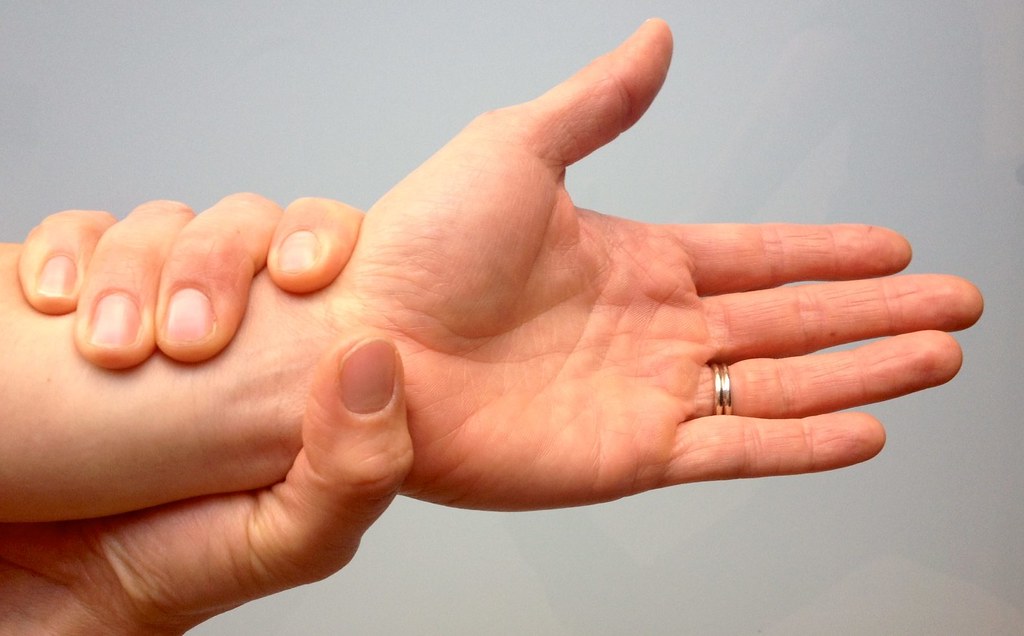
Photo source: Flickr
Opening a jar shouldn’t feel like a workout. If you’ve noticed it’s becoming harder to twist lids, carry shopping bags, or hold onto gardening tools, it may be a sign that your grip strength isn’t what it used to be. While some loss of muscle strength is a natural part of ageing, keeping your hands and arms strong can make everyday life much easier.
Grip strength is closely linked to your overall muscle health. Strong hands help you cook, write, dress yourself, and carry out countless daily tasks with confidence. They can also make it easier to maintain your independence and reduce the risk of dropping objects or losing your balance when holding onto a handrail.
The good news is that grip strength can often be improved. Simple activities such as squeezing a soft exercise ball, using hand therapy putty, gardening, carrying groceries, or doing light resistance exercises all help keep the muscles in your hands and forearms active. The key is to exercise regularly without causing pain.
If you have arthritis or another condition affecting your hands, don’t assume exercise is off the table. A physiotherapist or occupational therapist can recommend exercises and equipment designed to reduce strain while improving strength and flexibility.
It’s also worth paying attention if weakness develops suddenly or affects only one hand. Numbness, tingling, or difficulty holding objects could be related to a nerve problem or another medical condition that should be assessed by your GP.
Looking after your muscles doesn’t stop at your shoulders or legs. Your hands deserve attention too. Keeping them strong can make everyday tasks easier, help you stay independent, and give you the confidence to keep doing the activities you enjoy.