Why your eye keeps twitching

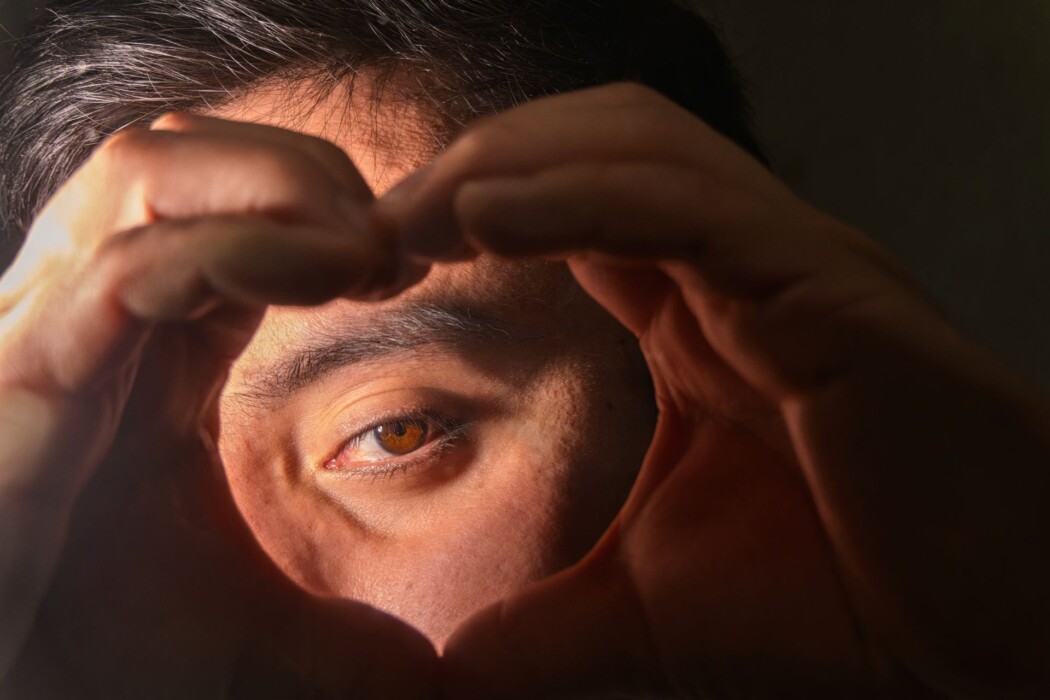
It usually starts without warning. A tiny flutter beneath your eye that lasts a few seconds, disappears, then comes back again later. It doesn’t hurt, but it’s distracting enough to make you wonder if something is wrong.
The reassuring news is that, in most cases, an eye twitch is completely harmless. It’s one of the body’s more common quirks, often linked to everyday lifestyle factors rather than serious illness.
The medical term for the condition is eyelid myokymia. It describes a small, involuntary spasm of the muscles that control your eyelid, usually the lower lid. Unlike a normal blink, only a small group of muscle fibres contracts, creating the sensation of a gentle flutter. Episodes may last only a few moments or come and go over several days.
Why does it happen?
One of the biggest triggers is lack of sleep. When you’re tired, the nervous system becomes more sensitive, making small muscles, including those around the eye, more likely to contract unexpectedly.
Stress is another common culprit. Whether it’s work pressures, family responsibilities or simply a hectic schedule, increased stress levels can affect muscle activity throughout the body. Many people notice their eye twitching during particularly demanding periods, only for it to disappear once life settles down.
Your daily coffee habit could also be playing a role. Too much caffeine can overstimulate the nervous system, while alcohol may contribute by disrupting sleep quality. If the twitch has been hanging around for several days, cutting back on both for a short period may help.
Modern life doesn’t do our eyes many favours either. Spending hours looking at computers, tablets and phones can strain the muscles around the eyes. Following the simple 20-20-20 rule — every 20 minutes, look at something around six metres (20 feet) away for 20 seconds — gives your eyes a chance to relax.
For some people, dry eyes are to blame. This becomes more common with age and can also be triggered by prolonged screen use or wearing contact lenses. Artificial tears or lubricating eye drops are often enough to relieve both the dryness and the twitching.
You may have heard that twitching is caused by a magnesium deficiency. While there are anecdotal reports linking low magnesium or dehydration to eyelid spasms, the scientific evidence isn’t
particularly strong. Even so, staying well hydrated and eating a balanced diet supports overall health and certainly won’t do any harm.
When should you see a doctor?
Although eyelid twitching is usually nothing to worry about, there are situations where it’s worth seeking medical advice.
Make an appointment with your GP or an eye specialist if:
• the twitching continues for several weeks without improving
• it spreads beyond your eyelid to other parts of your face
• your eyelid closes completely with each spasm
• you develop drooping of the eyelid, changes to your vision or other new neurological symptoms.
In a small number of cases, persistent twitching may be caused by conditions such as blepharospasm, where the eyelid muscles contract more forcefully and frequently. Much more rarely, ongoing facial twitching can be associated with neurological conditions. These situations are uncommon, but they are worth ruling out if symptoms persist.
Give your eyes a break
For most people, the solution isn’t found in a medicine cabinet but in everyday habits. Getting enough sleep, managing stress, reducing caffeine, taking regular breaks from screens and treating dry eyes are often all that’s needed.
The vast majority of eye twitches settle on their own within a few days or weeks. While they can certainly be annoying, they’re usually your body’s gentle reminder that it’s time to slow down, get some rest and give your eyes a well-earned break.