Why Your Blood Pressure Can Be Higher Than You Think

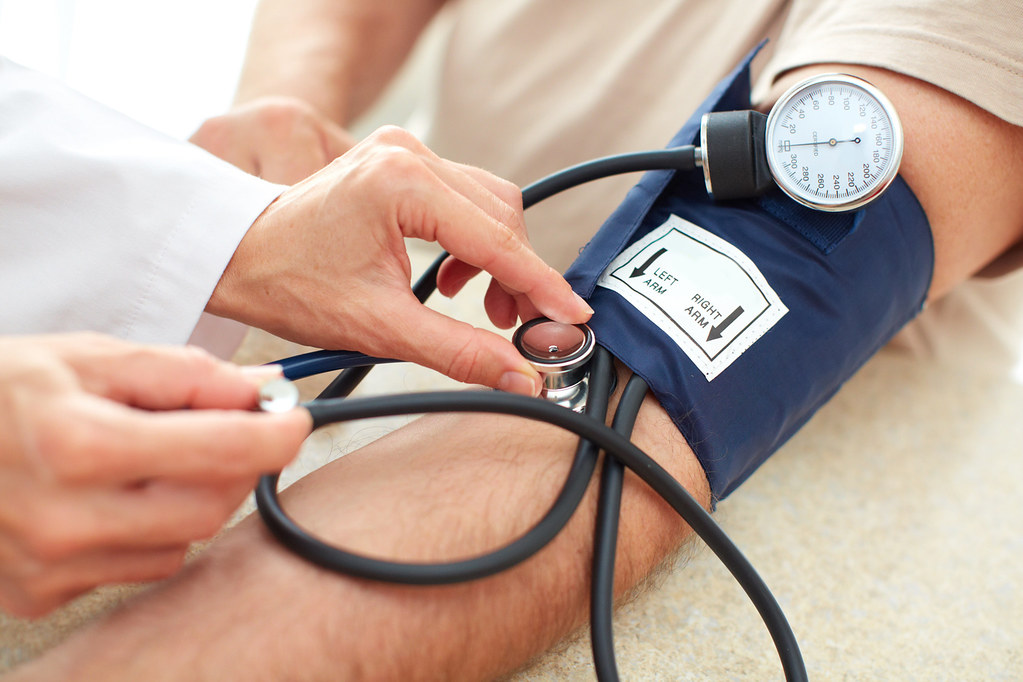
Photo source: Flickr
High blood pressure is often called a “silent” condition for a reason. You can feel completely well while your blood pressure is higher than it should be. Unlike a headache or a sore joint, elevated blood pressure doesn’t necessarily produce an obvious warning sign, which is why regular checks matter.
Blood pressure measures the force of your blood pushing against the walls of your arteries. It’s normal for it to change throughout the day depending on factors such as activity, stress, caffeine, and even how recently you’ve eaten.
One high reading doesn’t necessarily mean you have high blood pressure. Your GP may recommend taking several readings over time or monitoring your blood pressure at home to get a clearer picture.
If your blood pressure is consistently elevated, your healthcare provider may recommend lifestyle changes, medication, or both. Eating a balanced diet, staying physically active, maintaining a healthy weight, limiting alcohol, and not smoking can all support healthier blood pressure.
Salt is another factor worth considering. Many people don’t realise how much sodium is contained in processed and packaged foods. Checking nutrition labels and choosing fresh foods more often can make it easier to keep your intake in check.
If you’re checking your blood pressure at home, sit quietly for a few minutes beforehand and follow the instructions that came with your monitor. Taking measurements at roughly the same time each day can also make the results easier to compare.
Very high blood pressure accompanied by severe headache, chest pain, shortness of breath, weakness, confusion, or changes in vision requires urgent medical attention.
You can’t always tell when your blood pressure is rising. That’s precisely why checking it matters. A quick measurement can reveal something you wouldn’t otherwise know—and give you an opportunity to take action before high blood pressure causes more serious problems.