Why Rest Days Matter More After 60

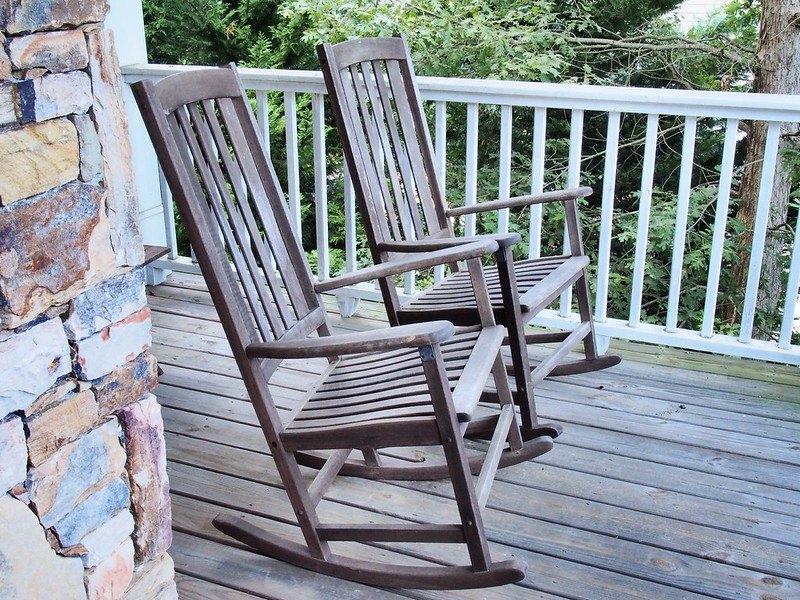
Photo source: openverse, warrenrlucas, Flickr
Staying active is one of the best things older New Zealanders can do for their health. Walking, swimming, gardening and gentle exercise classes all help maintain strength, balance and independence. But as valuable as movement is, rest days matter just as much, especially after 60.
The Body Needs More Time to Recover
As we age, muscles, joints and connective tissue naturally take longer to repair themselves after physical activity. In younger years, the body might bounce back within a day. After 60, recovery often takes longer, which is why rest days are such an important part of any exercise routine. Skipping them can lead to fatigue, soreness and a higher risk of injury.
Rest Days Support Muscle and Bone Health
Exercise creates small amounts of stress on muscles and bones, which is a normal and healthy part of staying strong. It is during rest, not during the activity itself, that muscles actually repair and rebuild. Without adequate downtime, this repair process is interrupted, which can slow progress and leave the body feeling constantly tired.
Better Balance and Reduced Fall Risk
Fatigue affects coordination and reaction time, both of which are closely linked to fall risk in older adults. Taking regular rest days allows the nervous system and muscles to fully recover, helping seniors stay steady on their feet and more confident during daily activities.
Rest Days Are Good for the Mind Too
Physical rest often supports mental rest as well. Many older adults find that a slower day helps reduce stress, improve sleep quality and boost overall mood. This mental reset is just as valuable as the physical benefits, particularly for those managing busy family or social commitments.
Finding the Right Balance
Rest days do not mean doing nothing at all. Gentle activities such as light stretching, short walks or simply relaxing in the garden can still be part of a rest day. The key is listening to the body and avoiding strenuous activity that does not allow for proper recovery.
A Simple Reminder for Healthy Ageing
For seniors across New Zealand, building rest days into a weekly routine is a simple but powerful way to support long-term health. Staying active is important, but so is knowing when to pause. Balancing movement with rest helps the body recover, reduces injury risk and supports a better quality of life at every stage of ageing.