Why Is Your Mouth So Dry in the Morning?

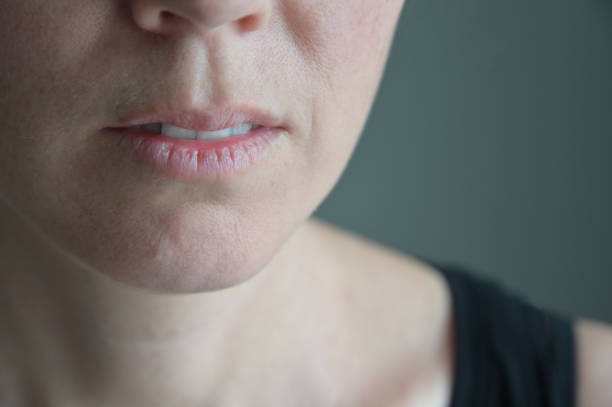
Photo source: iStock
You wake up, reach for your glass of water, and wonder how your mouth became so dry overnight. Your tongue feels sticky, your throat feels uncomfortable, and breakfast somehow seems less appealing than usual.
Occasional morning dryness is common. Sleeping with your mouth open, breathing through your mouth because of a blocked nose, or simply having a warm bedroom can leave you feeling parched when you wake.
But persistent dry mouth is worth paying attention to. Saliva does more than keep your mouth comfortable. It helps protect your teeth and gums, makes swallowing easier, and helps your mouth deal with bacteria. Health New Zealand notes that dry mouth can increase the risk of tooth decay, gum problems, and mouth infections.
Medicines are a common contributor. Many medicines can reduce saliva production, including some used for high blood pressure, depression, allergies, and other conditions. If your dry mouth started after beginning a new medicine or changing a dose, mention it to your doctor or pharmacist rather than stopping the medicine yourself.
It is also worth considering what happens while you sleep. Snoring, nasal congestion, and sleeping with your mouth open can all contribute to morning dryness. If you regularly wake with a dry mouth alongside loud snoring, restless sleep, or daytime tiredness, mention the combination to your healthcare provider.
During the day, regular sips of water can help. Sugar-free chewing gum or lozenges may also stimulate saliva production. Try to avoid relying on sugary sweets for relief, as reduced saliva already leaves teeth more vulnerable to decay.
Good oral hygiene becomes particularly important when your mouth is persistently dry. Brush twice a day with fluoride toothpaste and keep up with regular dental appointments. Your dentist can also recommend products designed specifically for dry mouth if necessary.
A dry mouth first thing in the morning is not automatically a warning sign. But if it has become your everyday reality rather than an occasional annoyance, do not simply accept it as part of getting older. Your mouth may be telling you something about your medicines, your sleep or your general health.