Why Hydration Matters More Than You Think

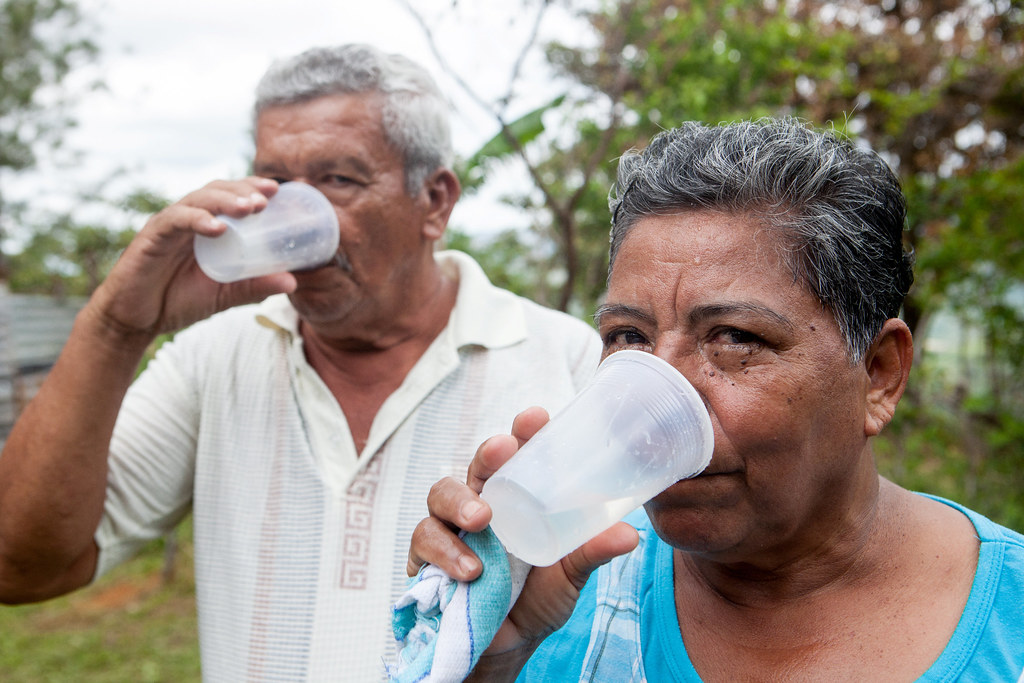
Photo source: Flickr
Many people associate dehydration with hot summer days. But as we get older, staying well hydrated becomes important all year round. In fact, older adults are generally less likely to feel thirsty than younger people, which means it’s possible to become mildly dehydrated without even realising it.
Water plays a role in almost every function of the body. It helps regulate temperature, supports digestion, keeps joints lubricated, and allows organs to work properly. Even a small drop in fluid levels can leave you feeling tired, dizzy, or unable to concentrate as well as usual.
Some signs of dehydration can be easy to miss. A dry mouth, headaches, darker urine, constipation, or feeling light-headed when you stand up may all indicate that you’re not drinking enough. Certain medications, particularly diuretics, can also increase your body’s need for fluids, so it’s worth asking your GP or pharmacist if this applies to you.
You don’t have to rely on plain water alone. Milk, tea, coffee in moderation, and soups all contribute to your daily fluid intake, while foods such as watermelon, oranges, cucumber, and tomatoes contain plenty of water as well. Keeping a reusable water bottle nearby or drinking a glass of water with each meal can make it easier to build the habit.
If you’re heading outdoors, exercising, or spending time in warm weather, you’ll usually need to drink more than usual. The same applies if you’ve been unwell with vomiting or diarrhoea. Replacing lost fluids promptly can help prevent more serious health problems.
Staying hydrated is about giving your body what it needs to function at its best every day. A few extra glasses of fluid may help you feel more energetic, think more clearly, and reduce the risk of problems that can become more common with age.