When a Bruise Seems to Appear Out of Nowhere

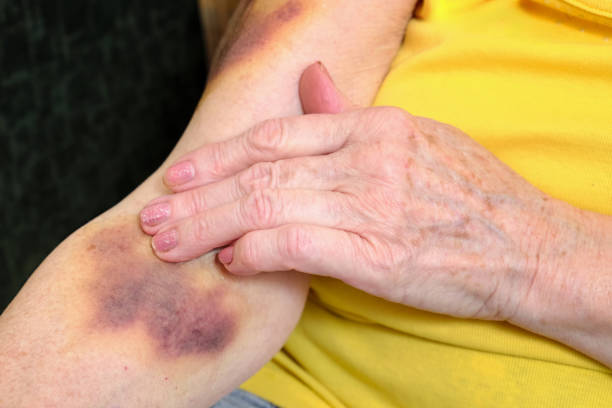
Photo source: iStock
You wake up, notice a dark mark on your arm, and have no idea how it got there. Occasional bruises are usually nothing to worry about. They happen when small blood vessels beneath the skin are damaged, often after a knock you barely remember. But if you’re suddenly bruising much more easily than before, it’s worth paying attention.
Bruising can become more common with age because the skin becomes thinner and the layer of protective tissue beneath it decreases. Sun exposure over many years can also contribute to fragile skin and blood vessels, particularly on the hands and arms.
Certain medicines can make bruising more likely, too. Blood-thinning medicines such as anticoagulants and antiplatelet drugs are designed to reduce the risk of dangerous blood clots, but they can also mean that minor knocks produce more noticeable bruises.
Some supplements and other medicines may also affect bleeding or bruising. This is one reason it’s useful to keep your GP or pharmacist informed about everything you take, including products you buy without a prescription.
Most ordinary bruises gradually change colour and fade over a couple of weeks. Taking a photograph when you first notice an unusual bruise can make it easier to keep track of whether it’s healing normally.
Speak with your GP if you begin developing frequent or unusually large bruises without an obvious explanation, particularly if they’re appearing in unusual places. Also mention any other changes, such as frequent nosebleeds, bleeding gums, unusually heavy bleeding, or persistent fatigue.
Don’t stop prescribed blood-thinning medication simply because you’re bruising more easily. These medicines can be important for preventing serious health problems, so discuss your concerns with your doctor first.
A bruise may be nothing more than evidence of a bump you don’t remember. But a noticeable change in how easily you bruise is information worth sharing with your healthcare team.