What’s really behind your night sweats

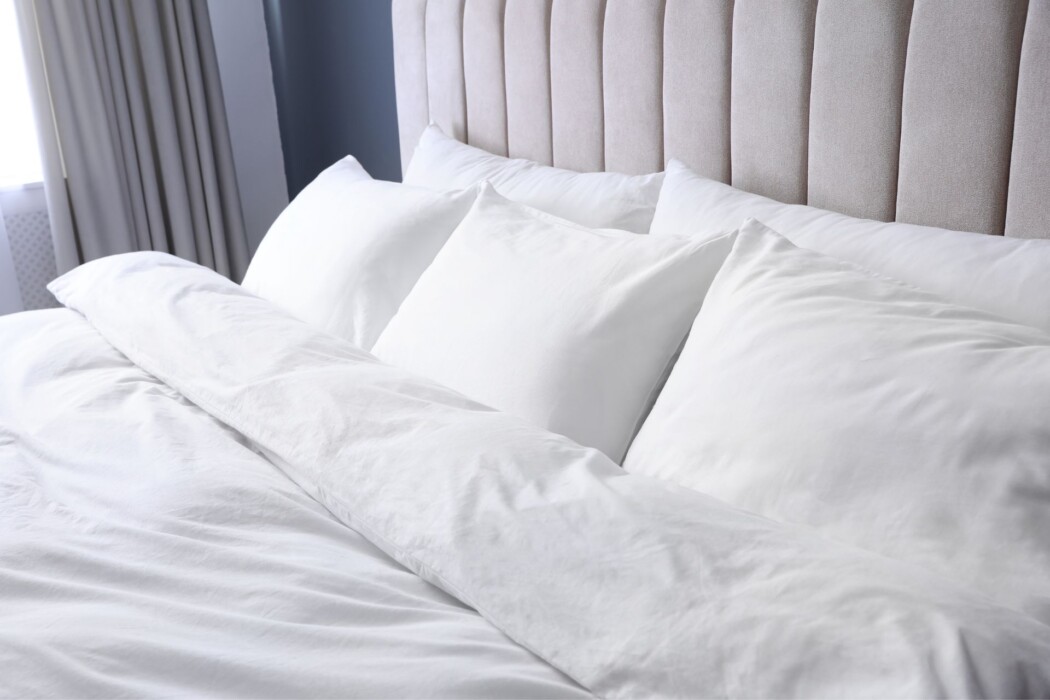
Winter mornings in New Zealand can start with an odd contradiction. It is freezing outside, yet some people wake to find their sheets soaked through. It is an uncomfortable experience, and one that doctors say can have a surprising number of causes.
Night sweats can be set off by hormonal shifts, an underlying illness, certain medications, or something as simple as too many blankets and an overheated bedroom. For some people it is a one-off. For others it happens night after night, wrecking sleep and piling on the laundry.
Dr Prabani Wood, a Hamilton specialist GP who took over as medical director of the Royal New Zealand College of General Practitioners in August 2025, says the first step is ruling out anything serious. “You’ve got to think broadly and make sure you are not missing anything,” she says.
In rare cases night sweats can point to certain cancers, so a blood test is often the starting point, followed by questions about age, sex and how long the sweating has been going on.
Dr Afraz Adam, a men’s health specialist with telehealth provider Doctor360, counts more than 20 possible causes, from stress and anxiety through to an overactive thyroid. Some antidepressants list night sweats as a known side effect too.
Hormones do a lot of the work
For women, hormonal change is one of the most common explanations, and it can start earlier than many expect. Wood says the hot flushes linked to perimenopause can begin in women in their thirties, even while periods are still regular, and for some the symptoms are severe.
The exact mechanism behind menopausal hot flushes is still something of a mystery, according to Dr Rebecca Meiring, a senior lecturer in exercise sciences at the University of Auckland who studies how physical activity affects menopause symptoms.
The scale is better understood. Massey University sleep health professor Leigh Signal says current research suggests up to 84% of women experience hot flushes at some stage of the menopausal transition, with around 40% reporting them during perimenopause itself.
“It speaks to the variability of perimenopause and menopause,” Signal says, noting that some women get symptoms earlier and for far longer than others.
Hormone replacement therapy can ease many of the more uncomfortable symptoms, Meiring says, while cognitive behavioural therapy and regular exercise can help with the sleep disruption that so often comes with night-time hot flushes.
Low testosterone gets a lot of airtime online as a male equivalent, but Wood says it is rarely the actual cause of night sweats in her experience, having seen only one such case in her years of practice. Adam looks at the wider picture before landing on testosterone, checking energy levels, libido, unexplained weight gain and slow recovery from exercise first.
Breathing, apnoea and bad dreams
Men, particularly those who are overweight, are more likely to have sleep apnoea, another possible driver of night sweats. Adam describes sleep apnoea, night sweats, heart disease and low testosterone as closely interconnected.
Sleep psychologist Dan Ford, who founded the Better Sleep Clinic and is board certified in behavioural sleep medicine, explains that a drop in oxygen during apnoea episodes may trigger a response in the body’s autonomic nervous system, though the exact link with sweating is not fully understood.
A CPAP machine or a specially designed mouthpiece can help manage breathing during sleep, and lifestyle changes such as weight loss can reduce both the apnoea and the sweating that comes with it.
Nightmares are also linked to sleep apnoea, and the stress they cause can leave someone drenched by morning. Ford says some clients arrive with a standalone nightmare disorder, describing having to change soaked sheets regularly.
Night terrors are related but distinct, more common in children than adults, and are often forgotten on waking, unlike nightmares, which tend to be remembered clearly.
Sometimes nightmares stem from an underlying trauma, in which case treating the root cause can resolve the sweating too. Other cases have no identifiable trigger at all, a pattern known as idiopathic nightmare disorder.
Ford says treatments such as eye movement desensitisation and reprocessing, along with cognitive processing therapy, a form of cognitive behavioural therapy used for post-traumatic stress, can offer relief.
When to see a doctor
Given the range of possible causes, working out why you are sweating at night is not always straightforward.
Doctors suggest paying attention to patterns, how often it happens, whether it is tied to stress, sleep quality or other symptoms like weight change or low energy, and taking that to a GP rather than trying to self-diagnose.
A blood test can quickly rule out the more serious causes, which frees up the conversation to focus on hormones, sleep quality or lifestyle factors that are easier to manage.
Living with soaked sheets and broken sleep can wear you down, but the message from health professionals is a steady one. There are dozens of possible explanations, most of them manageable, and the answers start with a GP rather than a guess in the dark.