What to Eat for Strong Bones After 60

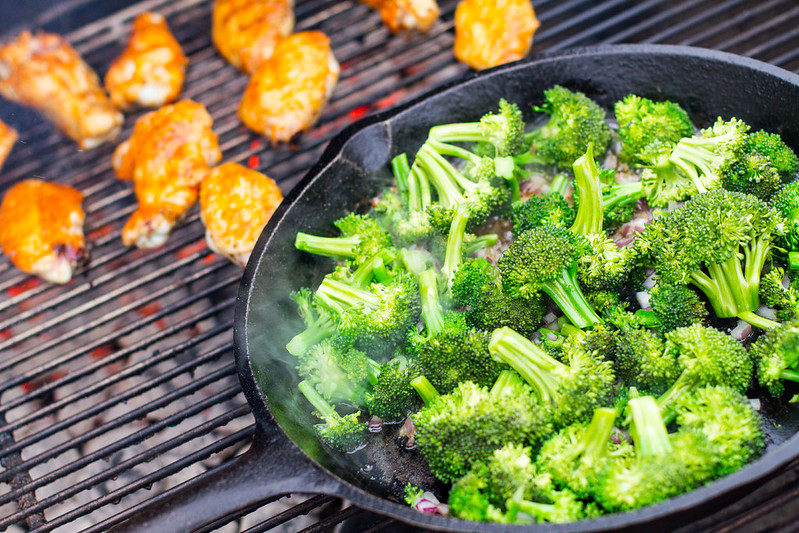
Photo source: openverse, Mike, Flickr
Strong bones help you stay active, independent and confident as you age. After 60, bone density naturally declines, which makes everyday food choices more important than ever. The good news is that you can support your skeleton with simple, familiar foods found in any New Zealand supermarket or local market.
Calcium comes first
Calcium is the main building block of bone. Milk, yoghurt and cheese are the most popular sources in New Zealand, and reduced fat options provide just as much calcium as full cream. If you avoid dairy, look for calcium-fortified soy or almond milk, tofu set with calcium, and canned salmon or sardines eaten with the soft bones. Leafy greens such as silverbeet, kale and bok choy also contribute, along with almonds and tahini.
Do not forget vitamin D
Vitamin D helps your body absorb calcium. Many Kiwis make most of their vitamin D from sunlight, but levels can run low over winter, especially in the South Island, or if you spend most of your time indoors. Food sources include oily fish like salmon, mackerel and tuna, eggs and fortified margarine. Your GP can check your levels and advise whether a supplement suits you.
Protein, vitamin K and magnesium
Protein supports bone and muscle strength, so include lean meat, fish, eggs, legumes or dairy at each meal. Vitamin K, found in broccoli, spinach and cabbage, plays a role in bone health. Magnesium from wholegrain bread, nuts, seeds and beans also does its part. Kiwifruit, citrus and berries provide vitamin C, which helps your body produce collagen for bone structure.
Foods to enjoy in moderation
Too much salt, caffeine and alcohol can interfere with calcium balance. Try flavouring meals with herbs and spices instead of salt, limit coffee to a few cups a day, and keep alcohol within recommended guidelines.
A simple day on the plate
Start with porridge made with milk and topped with kiwifruit and almonds. Enjoy a tuna and salad sandwich on wholegrain bread for lunch, and a fish or chicken dinner with broccoli and kumara. A yoghurt or a small piece of cheese makes a handy afternoon snack.
Movement matters too
Food works best alongside regular weight-bearing activity such as walking, gardening or gentle strength exercises. Together, good nutrition and movement give your bones the best chance to stay strong.
Before making big changes to your diet or starting supplements, speak with your doctor or a registered dietitian, particularly if you have osteoporosis or other health conditions. Small, steady changes add up to stronger bones for years to come.