What to Do If You Forget Your Password

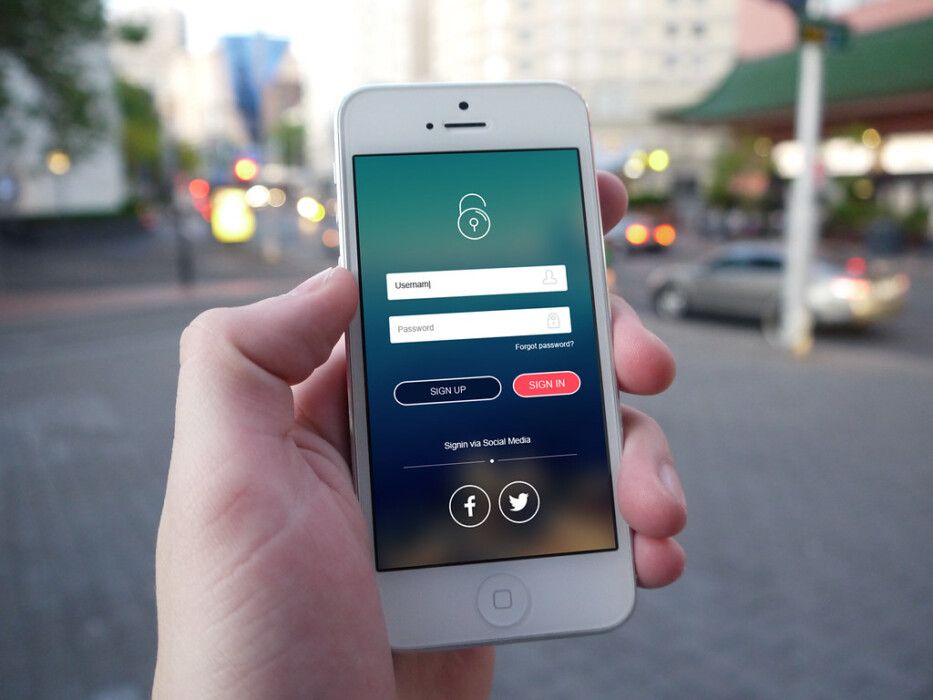
Photo source: Flickr
It happens to almost everyone. You sit down to log in to an account you’ve used for years, type in what you’re sure is the right password, and are greeted with an error message. After a few more attempts, you’re locked out and wondering what to do next.
The first rule is simple: don’t panic.
Most reputable websites have a secure way to reset your password. Look for the “Forgot Password?” link on the sign-in page and follow the instructions. You’ll usually be asked to verify your identity through your email address or mobile phone before creating a new password.
Be careful if you receive unexpected emails claiming your password needs to be reset. Scammers often send fake messages that look as though they’ve come from your bank, a delivery company, or a well-known business. Rather than clicking a link in the email, open your web browser and visit the company’s official website yourself.
Once you’ve regained access, think about how you’ll manage your passwords in the future. Reusing the same password across multiple accounts may seem convenient, but it increases the risk if one account is compromised.
Consider using a password manager, which stores your passwords securely and remembers them for you. If that isn’t for you, keeping a written record in a safe place at home is better than choosing weak, easy-to-guess passwords.
It’s also worth turning on two-factor authentication for important accounts if it’s available. That extra layer of security means someone who discovers your password will still need a second form of verification before they can sign in.
Finally, take a moment to update any recovery information linked to your account. If you’ve changed your email address or mobile number in recent years, make sure those details are current. They’ll make recovering your account much easier if you ever forget your password again.
Forgetting a password is frustrating, but it doesn’t have to become a major problem. A few good security habits today can make it much easier to regain access tomorrow and help keep your personal information protected.