What to Do After Hitting Your Head: A Guide for Seniors

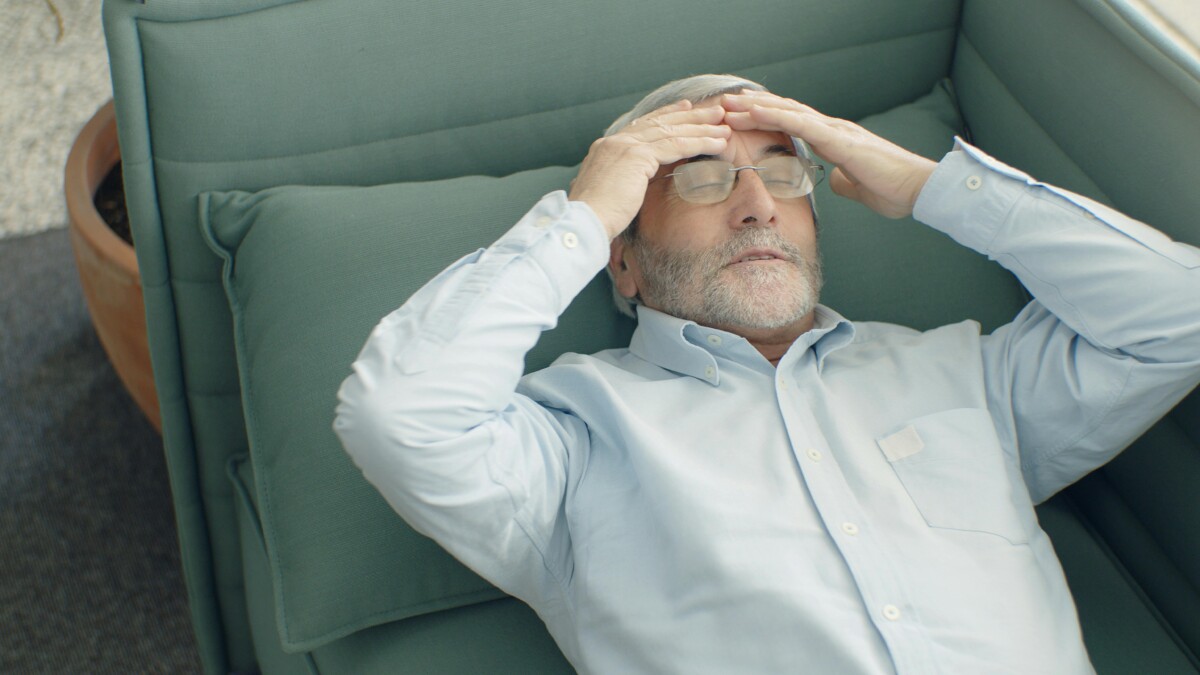
Photo source: Getty Images
Head injuries can happen unexpectedly, especially for seniors who may be at higher risk due to balance issues or medications.
Knowing the right steps ensures quick recovery and prevents complications like concussion. Here’s practical advice tailored for older adults.
What Should You Do if You Hit Your Head?
Immediate First Aid
Stay calm and still, lying down with head and shoulders slightly elevated to reduce swelling. Stop any bleeding by applying firm pressure with a clean cloth, but avoid direct pressure if a skull fracture is possible.
Watch for Warning Signs
Seek emergency help immediately if you notice vomiting, loss of consciousness, seizures, severe headache, confusion, or unequal pupil sizes. For seniors over 65 or those on blood thinners like aspirin, go to the ER even for minor bumps. Other red flags include slurred speech, weakness in limbs, or fluid from the nose/ears.
When to See a Doctor
Rest quietly for the first day and have someone monitor you for 24-48 hours. Call your doctor if you experience the warning signs mentioned above.
Why Seniors Face Higher Risks
Seniors have the highest rates of traumatic brain injury (TBI) hospitalisation and death, mainly from falls. Ageing brains are less adaptable, with thinner tissues and fragile blood vessels, leading to delayed symptoms or slower recovery. Pre-existing conditions like dementia or medications amplify risks, so even minor bumps warrant caution.
Head injuries in seniors require prompt attention and vigilance to safeguard brain health. When you know what to do after hitting your head, you empower yourself or loved ones for safer and fuller days.