What Retirement Doesn’t Tell You About Loneliness

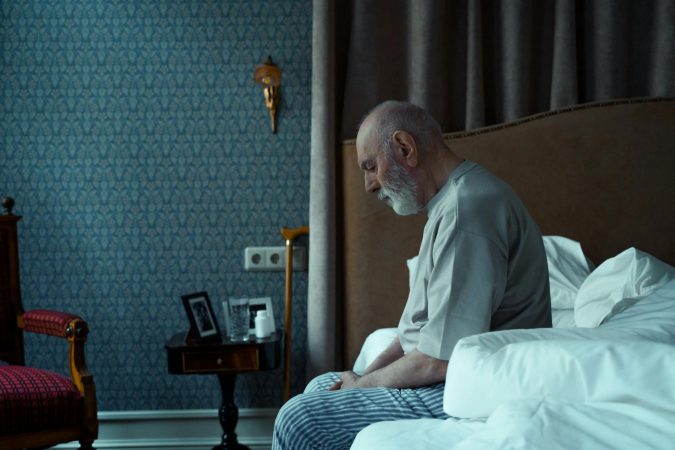
Photo source: VegOut
Retirement is often painted as a time of freedom—no alarms, no deadlines, and finally enough time to enjoy life at your own pace. While that can be true, what retirement doesn’t always tell you is that it can also bring unexpected loneliness.
For many people, work provides more than just income. It creates routine, purpose, and regular social connection. Daily chats with colleagues, shared goals, and the simple feeling of being needed can quietly shape our sense of belonging. When that suddenly changes, the silence can feel louder than expected.
Loneliness after retirement doesn’t always happen immediately. Sometimes it appears gradually, as routines shift and social circles become smaller. Friends may still be working, children may have their own busy lives, and opportunities for regular interaction can become less frequent.
One of the best ways to manage this transition is by creating new structure. Retirement may mean leaving one routine behind, but building a new one helps restore purpose. This could be morning walks, volunteering, joining a local club, or even setting weekly coffee dates with friends.
Staying socially connected takes intention. Reaching out first can feel uncomfortable, but small efforts often make a big difference. Community groups, hobby classes, church gatherings, and volunteer work can all create natural opportunities for connection.
It’s also important to allow space for emotional honesty. Feeling lonely doesn’t mean you’ve failed at retirement; it simply means you’re adjusting to a major life change. Talking openly with loved ones or seeking support when needed can help ease that burden.
Technology can help too. Video calls, group chats, and social media make it easier to stay connected with family and friends, even from a distance. Sometimes, a simple message can turn an ordinary day around.
Retirement is not just about stopping work; it’s about rebuilding a life that feels meaningful. Loneliness may be part of that journey, but with connection, purpose, and patience, it doesn’t have to define it.