What Happens When Alcohol Meets Age 65+

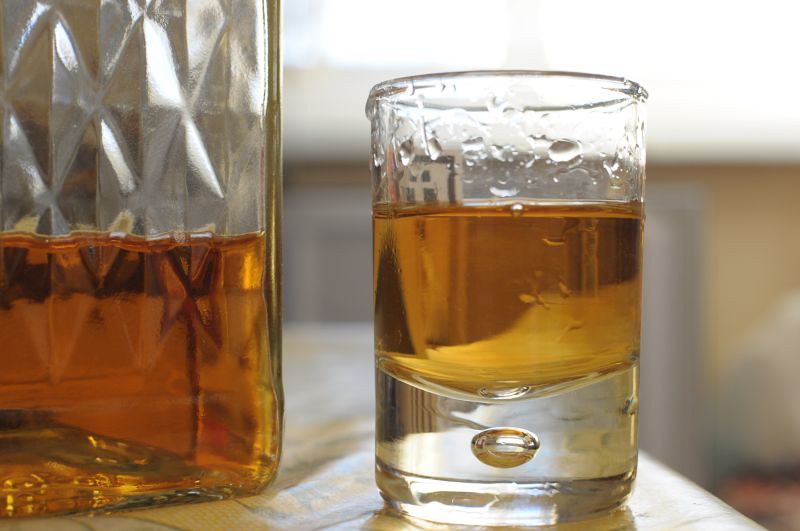
Photo source: openverse, Sergei Sokolov, Flickr
You’ve had a glass of wine with dinner for decades. Or a beer while watching the game. It never used to be a big deal. So why does that same drink seem to hit harder, linger longer, or leave you feeling worse the next day now that you’re past 65?
The answer isn’t in your head. It’s in your body. Ageing changes how alcohol is processed, absorbed, and experienced, often in ways that surprise people who’ve been drinking the same amount for years without issue. Here’s what’s really going on and what you can do about it.
Your Body Has Less Water To Work With
As we age, the ratio of water to fat in our bodies naturally shifts. Seniors typically have less total body water than they did in their 30s or 40s. Since alcohol distributes through the water in your body, less water means that alcohol becomes more concentrated in your bloodstream. That single glass of wine can produce a blood alcohol level similar to what two glasses once did.
The Liver Slows Down Too
Your liver is the body’s main alcohol-processing plant, and like the rest of you, it slows down with age. Liver blood flow and enzyme activity both tend to decrease over time, which means alcohol stays in your system longer. The effects you feel, and the ones you don’t see, last well beyond that after-dinner glass.
Medications Change the Equation
This might be the biggest factor of all. Most seniors take at least one prescription medication, and many take several. Alcohol can interact with common medications for blood pressure, cholesterol, diabetes, sleep, anxiety, and pain in ways that range from uncomfortable to dangerous. Mixing alcohol with certain blood thinners, sedatives, or pain relievers can increase the risk of bleeding, excessive drowsiness, falls, or dangerously slowed breathing.
If you take medication regularly, talk to your doctor or pharmacist about how alcohol might interact with it, even if you’ve been on the your doctor or pharmacist about how alcohol might interact with it, even if you’ve been taking that same prescription for years.
Balance and Falls Become Bigger Risks
Alcohol affects coordination and reaction time at any age, but the consequences are more serious later in life. Bones are often less dense, healing takes longer, and a fall that might have caused a bruise at 40 can cause a fracture at 70. Alcohol’s effect on balance, combined with normal age-related changes in vision, muscle strength, and inner ear function, adds up to real risk.
Sleep Gets Disrupted, Not Helped
Many people believe a nightcap helps them sleep, and it might help you fall asleep faster. But alcohol disrupts the second half of the night, leading to more awakenings and less restorative deep sleep. Since sleep quality already tends to decline with age, alcohol can make an existing problem worse rather than better.
The Brain Is More Sensitive
Ageing brains are more sensitive to alcohol’s effects on memory, judgement, and coordination. Some research suggests that regular drinking may be associated with changes in memory and cognitive function over time, though this is an area scientists continue to study closely. What’s clear is that confusion or memory lapses after drinking tend to be more pronounced later in life.
So What Does This Mean For You?
Your body at 65, 75, or 85 processes alcohol differently than it did decades ago, and that’s simply a normal part of ageing, not a personal failing. Understanding these changes isn’t about giving up something you enjoy. It’s about enjoying it more safely, with fewer surprises and better mornings after.
If you have questions about how alcohol fits into your health picture, especially alongside medications or existing conditions, your doctor or pharmacist is the best resource for advice tailored to you.