Understanding Type 2 Diabetes in Older Adults

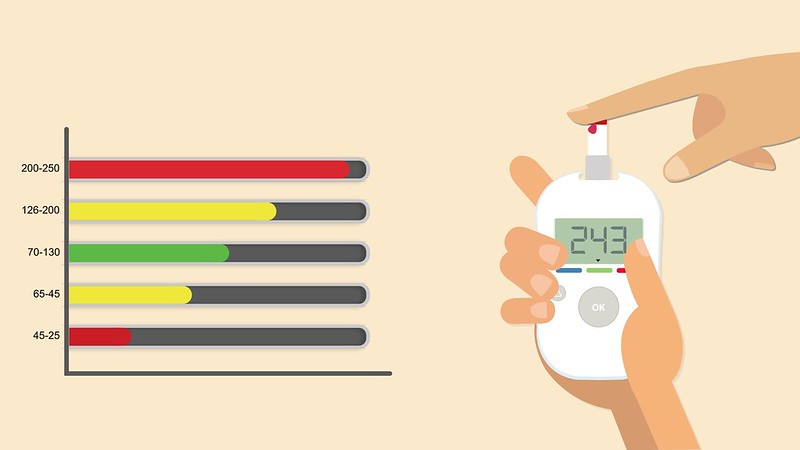
Photo source: openverse, ADI Intellect, Flickr
Type 2 diabetes is one of the most common health conditions affecting people over 65, yet many older adults don’t fully understand how it works or why it becomes more likely with age. Learning the basics can make a real difference in how well the condition is managed and how confident you feel taking charge of your health.
Why Age Matters
As we get older, our bodies naturally become less efficient at using insulin, the hormone that helps move sugar from the bloodstream into cells for energy. This is called insulin resistance. Combined with a tendency toward weight gain, reduced muscle mass, and lower activity levels, this makes older adults more prone to developing type 2 diabetes than younger people.
Common Symptoms to Watch For
Diabetes symptoms can be subtle in older adults and are sometimes mistaken for normal aging. Increased thirst, frequent urination, fatigue, blurred vision, and slow healing wounds are all worth mentioning to a doctor. Because symptoms can be mild or easy to overlook, regular blood sugar screening becomes especially important after age 65.
Why Management Looks Different Later in Life
Treating diabetes in older adults often requires a more personalized approach than in younger patients. Doctors weigh factors like kidney function, other existing health conditions, and the risk of low blood sugar, which can be more dangerous for seniors. Blood sugar targets are sometimes set a bit higher for older adults to avoid the risks that come with overly tight control, such as dizziness or falls.
Everyday Habits That Help
Managing type 2 diabetes in older adults doesn’t mean giving up enjoyment of food or daily life. Small, consistent habits tend to make the biggest impact. Eating balanced meals with fiber, lean protein, and controlled portions of carbohydrates helps keep blood sugar steady. Staying physically active, even with gentle activities like walking or chair exercises, supports insulin sensitivity and overall strength. Keeping up with regular checkups allows healthcare providers to catch and adjust for changes early.
Medication and Monitoring
Many older adults manage diabetes with a combination of lifestyle changes and medication. It is important to take medications as prescribed and to communicate openly with a doctor or pharmacist about any side effects, since interactions with other medications can be more common later in life. Home blood sugar monitoring, when recommended, offers valuable insight into how food, activity, and stress affect the body day to day.
Type 2 Diabetes in Older Adults: A Condition That Can Be Managed Well
A type 2 diabetes diagnosis is not a reason to lose hope. With the right support, many older adults live full, active lives while managing their blood sugar effectively. Understanding the condition, staying engaged with a healthcare team, and making small sustainable changes are the foundation of living well with diabetes at any age.
If you or a loved one has concerns about diabetes symptoms or management, talking to a doctor is always the best first step.