The Mole That Doesn’t Look Like the Others

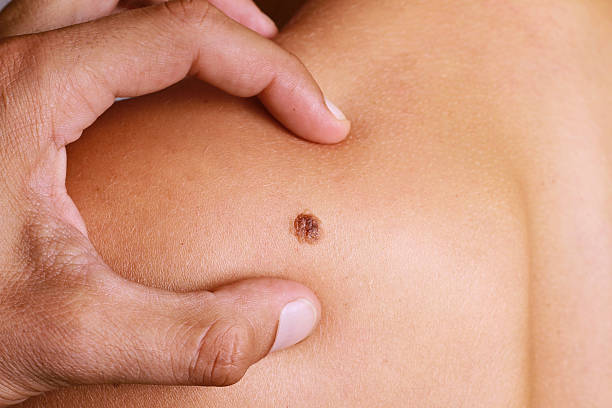
Photo source: iStock
Getting dressed or looking in the mirror, you might notice a dark spot on your arm that you do not remember seeing before. Perhaps an old mole has become darker, developed an uneven edge, or started itching. It is easy to dismiss these changes as part of getting older, particularly when you have had freckles and moles for decades. However, a spot that changes deserves more attention than a familiar one that stays the same.
Most moles are harmless, but melanoma, a potentially serious form of skin cancer, can appear as a new spot or develop from an existing mole. New Zealand has one of the highest rates of melanoma in the world, and finding it early makes treatment more likely to succeed.
One useful habit is to become familiar with your own skin. Look for spots that change in size, shape, colour, or thickness, have uneven edges, or develop several different shades. A mole that looks noticeably different from your other spots is also worth investigating. Some skin cancers appear pink or red rather than dark brown, so colour alone cannot tell you whether a spot is harmless.
Set aside a few minutes every month to examine your skin in good lighting. Check your arms, legs, back, scalp, feet, and the areas between your fingers and toes. A hand mirror can help with hard-to-see places, or you can ask your partner or a family member to look at your back. Taking a photograph of a spot can help you notice changes over time, but it should not replace professional advice.
Do not wait for a mole to become painful before seeking help. Arrange an appointment with your GP or a qualified skin specialist if you notice a new or changing spot, a mole that bleeds or itches, or a sore that does not heal. These signs do not automatically mean cancer, but they need proper assessment. A clinician may use a special magnifying instrument called a dermatoscope to examine the skin more closely.
Be particularly attentive if you have previously had skin cancer, have a close family history of melanoma or have many moles. Your healthcare provider can advise whether you need regular professional skin examinations.
You do not need to become anxious about every freckle. The aim is simply to recognise what is normal for your skin and notice when something changes. A brief examination and a timely appointment can be far more valuable than hoping an unusual spot will eventually disappear on its own.