Telehealth Explained: Seeing Your Doctor from Home

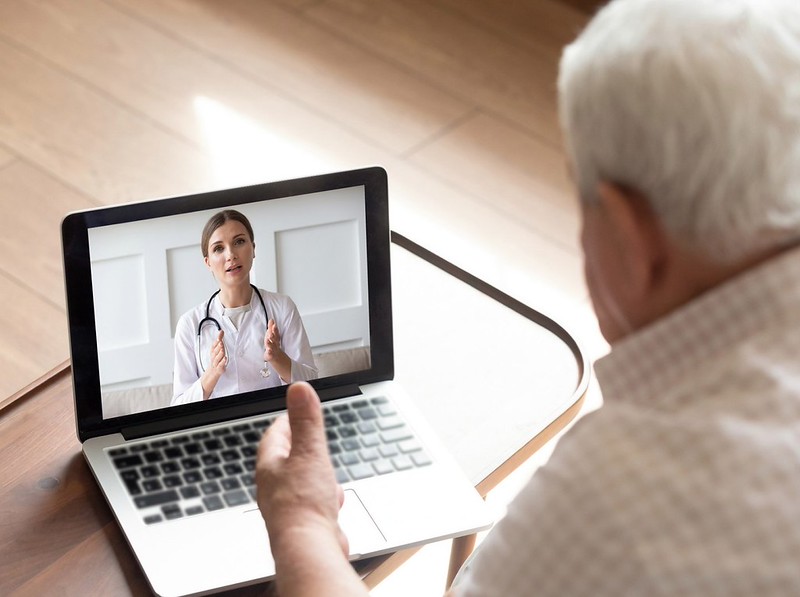
Photo source: openverse, MedPro Solutions, Flickr
If you have visited a doctor’s office lately, you may have noticed something new on the check-in form: an option for a “virtual visit” or “telehealth appointment.” Maybe your doctor’s office already mentioned it to you, or maybe your grandchild brought it up after hearing you complain about waiting rooms. Either way, if the whole idea still feels a little confusing or even intimidating, you are far from alone.
Telehealth simply means talking with your doctor, nurse, or specialist using a phone or computer instead of sitting in their office. It sounds simple because, honestly, it is. But like anything new, it helps to walk through it step by step.
What Telehealth Actually Looks Like
Think of it as a phone call or video chat with your doctor. Some visits are just voice, like a regular phone call. Others use video, so you can see your doctor’s face and they can see yours. Your doctor might ask you questions, look at a rash or swelling through the camera, review your medications, or just check in on how you are feeling after a recent procedure.
You do not need to leave your house. You do not need someone to drive you. You do not need to sit in a waiting room flipping through old magazines. You just need a few quiet minutes and a way to connect.
How a Visit Usually Works
Most offices will send you a link, either by text message or email, a little before your appointment time. When it’s time for your visit, you simply tap or click that link, and it opens the video call. Some offices use apps you download ahead of time and set up once, so it’s ready to go for future visits too.
Before your appointment, someone from the office may call to walk you through the technology, especially for your first visit. Don’t be shy about asking questions here. There is no such thing as a silly question when it comes to something you have never done before.
During the visit, it feels a lot like an in-person appointment. Your doctor will ask about your symptoms, talk through your medications, and answer your questions. You can take notes, just like you would in the office. If they need to see something, like your ankle or a skin spot, they may ask you to hold the camera closer.
Why It Might Be Worth Trying
Telehealth can be especially helpful if getting to appointments is hard because of transportation, weather, mobility issues, or simply the fatigue of a long trip and a long wait. It can also be useful for quick follow-up visits, medication check-ins, or questions that don’t require a hands-on exam.
Many people also find it easier to have a family member join the call from wherever they live. Your daughter in another state can be part of the conversation just by joining the same video link, which is something that isn’t always possible with an in-person visit.
What It Can’t Replace
Telehealth is a helpful option, not a replacement for every kind of care. Some things still need an in-person visit, like bloodwork, vaccines, imaging tests, or a hands-on physical exam. Your doctor will let you know when an in-person visit makes more sense. Think of telehealth as one more tool available to you, not the only tool.