Spotting Fake News: Questions to Ask Before Sharing That Facebook Post

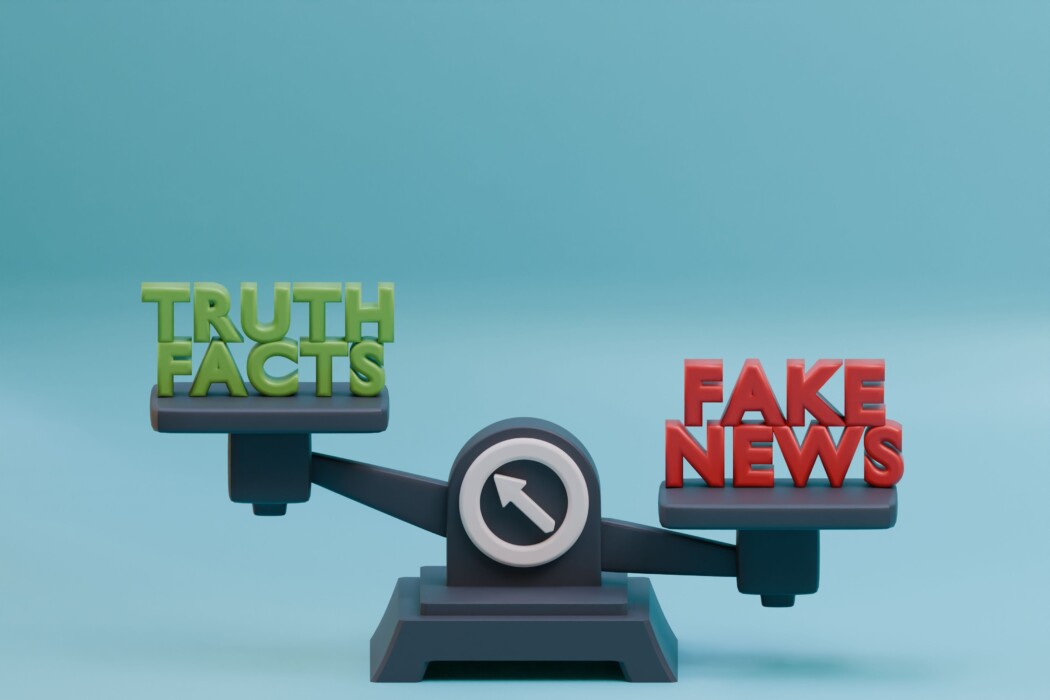
Photo source: Pexels
Facebook has become a wonderful way for many New Zealanders to stay in touch with grandchildren, old friends and community groups. But it is also a place where misleading stories spread quickly. Spotting fake news before you hit share can protect your loved ones from misinformation and save you the embarrassment of passing on something untrue.
Here are some simple questions to ask yourself the next time a surprising post appears on your feed.
Who wrote this?
Genuine news stories usually come from a named journalist and a recognised outlet, such as RNZ, Stuff or the New Zealand Herald. If the post comes from a page you have never heard of, or there is no author listed at all, treat it with caution. A quick search of the website name can often reveal whether it is a trusted source or not.
Does the headline match the story?
Some posts use dramatic headlines designed purely to grab attention. Read the full article rather than relying on the headline alone. Spotting fake news often comes down to noticing when the details inside a story do not actually support the bold claim at the top.
Is the story reported anywhere else?
Major events are almost always covered by several outlets. If only one obscure page seems to be reporting something big, that is a warning sign. Try searching the topic separately to see whether reputable New Zealand or international news services are reporting the same thing.
How does it make you feel?
Misleading posts are often written to trigger strong emotions such as anger or fear, since people are more likely to share when they feel strongly. If a post makes you want to react immediately, take a breath and check the facts first.
When was it published?
Old stories are sometimes recirculated as if they are new. Check the publication date before assuming the news is current.
Taking a moment to ask these questions helps keep your Facebook feed and your friends’ and family’s better informed. Spotting fake news is a skill anyone can build with a little practice, and it makes the online world a safer place for everyone in your community.