Soluble vs. Insoluble Fibre: What’s the Difference?

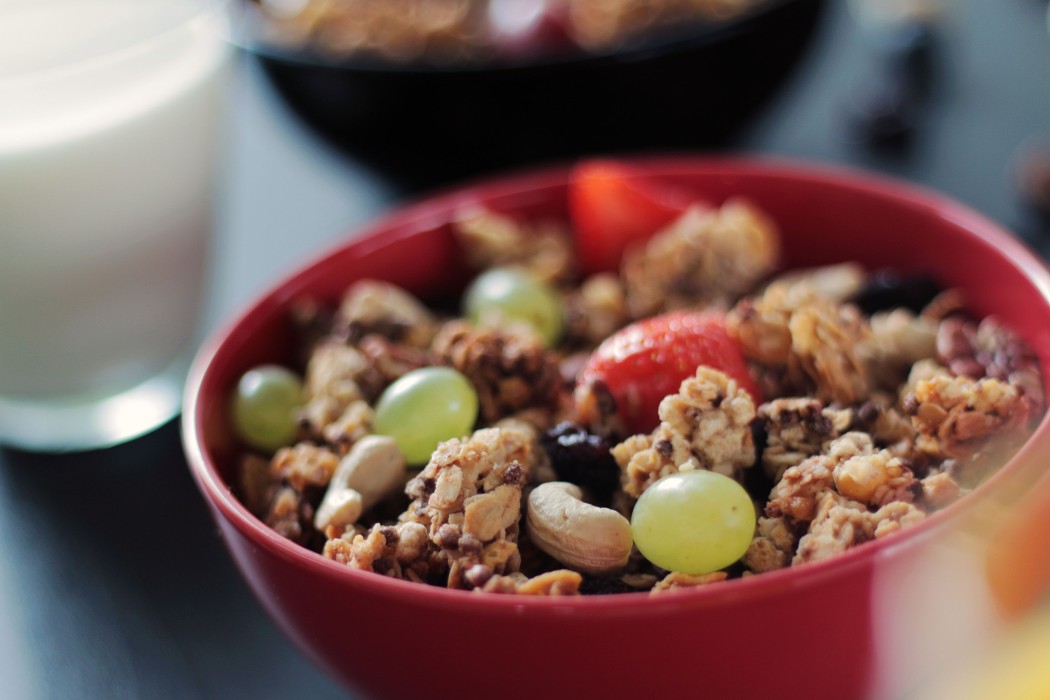
Photo source: Pexels
If you have ever read the label on a cereal box, you have probably seen the word fibre. It is a vital part of healthy eating at any age, but it becomes especially important as we get older. Fibre comes in two main types, soluble and insoluble, and each plays its own role in keeping your body running well.
What Is Soluble Fibre?
Soluble fibre dissolves in water to form a soft, gel-like texture in your gut. This slows digestion, which can help you feel fuller for longer and support steady blood sugar levels. It is also linked with healthy cholesterol levels. Good sources found in New Zealand kitchens include porridge oats, kiwifruit, apples, citrus fruit, lentils, chickpeas and baked beans.
What Is Insoluble Fibre?
Insoluble fibre does not dissolve in water. Instead, it adds bulk to your stools and helps food move through your digestive system, which can ease constipation. Look for it in wholegrain bread, wheat bran cereals such as Weet-Bix, brown rice, nuts, seeds, and the skins of vegetables like kumara and potatoes.
A Word of Caution
Everyone is different. If you have a bowel condition, trouble swallowing, or take regular medication, talk with your GP, pharmacist or a registered dietitian before changing your diet.
Soluble fibre helps with fullness, blood sugar and cholesterol, while insoluble fibre keeps things moving along. Together they support a healthy gut and a healthier you. Start with one small change this week and enjoy the benefits.