Shingles Can Start With Pain Before the Rash

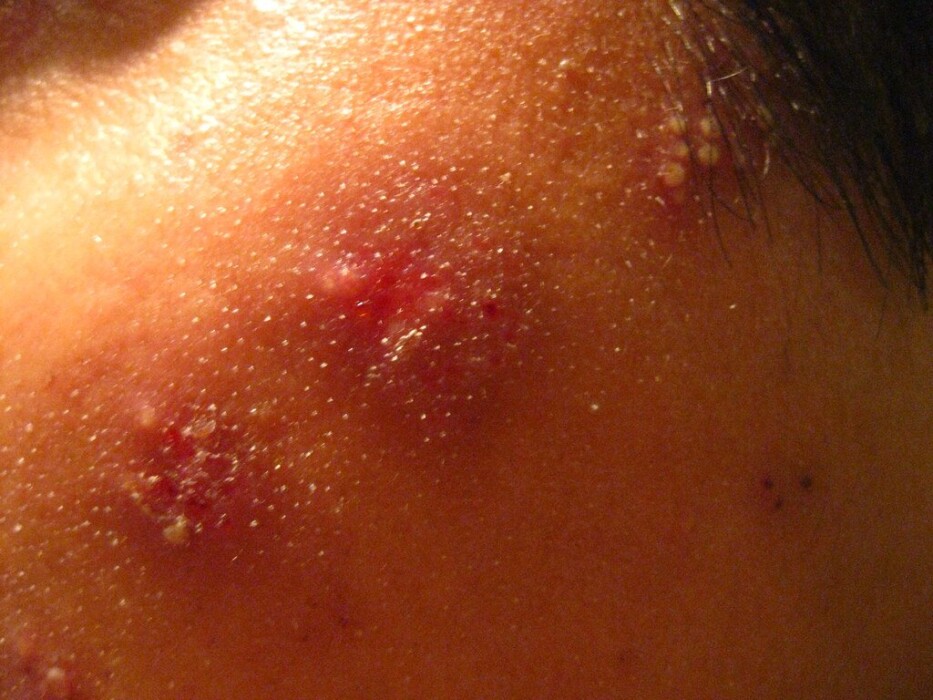
Photo source: Flickr
Shingles is often associated with a distinctive rash, but the rash isn’t necessarily the first sign. Some people initially notice pain, burning, itching, or unusual sensitivity in one particular area of the body. That can make shingles difficult to recognise at first.
Shingles is caused by the varicella-zoster virus, the same virus that causes chickenpox. After you’ve had chickenpox, the virus remains in your body and can become active again later in life, causing shingles. The risk increases with age.
The pain can be quite unusual. You might experience tingling, burning, itching, or a sharp, sensitive feeling on one side of your body. A few days later, a rash may develop in the same area, often appearing as clusters of fluid-filled blisters.
Because the early symptoms can resemble other problems, it’s easy to dismiss them. You might think you’ve pulled a muscle, irritated your skin, or simply developed an unexplained ache. If a painful or sensitive patch appears and a rash follows, particularly on one side of your body, it’s worth contacting your healthcare provider.
Getting medical advice promptly matters because antiviral treatment works best when started early. Shingles can also lead to complications, including ongoing nerve pain after the rash has cleared.
There’s also a preventive option worth knowing about. In New Zealand, the shingles vaccine is available through the National Immunisation Schedule for eligible adults aged 65, with a catch-up opportunity for people aged 66–80. Talk to your healthcare provider or pharmacist about whether you’re eligible and whether vaccination is appropriate for you.
If you develop a rash around your eye or on your face, seek medical advice promptly, as shingles affecting the eye can cause serious complications.
You can’t always prevent shingles from occurring, but knowing what it can look and feel like gives you a better chance of getting help early. If an unexplained burning or painful patch is followed by a rash, don’t simply wait for it to disappear on its own.