Rethinking Night Driving: Small Changes, Big Difference

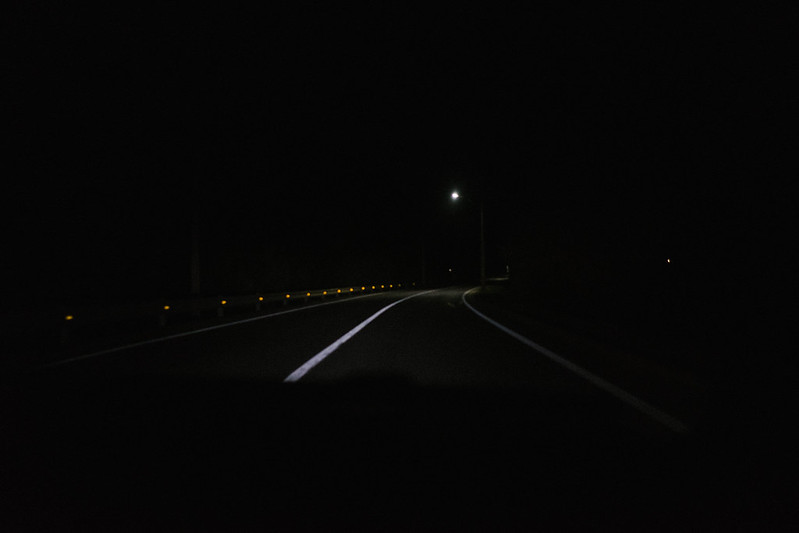
If getting behind the wheel after sunset feels harder than it used to, you’re not imagining things. As we age, our eyes take longer to adjust to changes in light, glare from oncoming headlights becomes more bothersome, and depth perception can shift. It’s no wonder so many people start to dread night driving.
But here’s the good news: rethinking night driving doesn’t have to mean giving it up altogether. For many people, a few adjustments go a long way. You don’t have to choose between staying home every evening or white-knuckling it down a dark highway. There’s a lot of middle ground, and most of it is simple.
Small Adjustments That Make a Real Difference
Get your eyes checked regularly. Cataracts, in particular, can turn oncoming headlights into a starburst of glare. An annual eye exam can catch changes early, and sometimes a simple prescription update or cataract surgery makes night driving feel like a whole new experience.
Clean your windscreen and headlights. A hazy windscreen scatters light and makes glare so much worse. Give your windscreen a good clean, inside and out, and check that your headlights aren’t dull or yellowed with age. This one small habit can noticeably improve visibility.
Dim your dashboard lights. A bright dashboard competes with your night vision. Turning it down helps your eyes stay adjusted to the darkness outside.
Avoid looking directly at oncoming headlights. Instead, shift your gaze slightly toward the right edge of your lane. This keeps you orientated without the blinding glare.
Plan routes you know well. Familiar roads with good lighting and fewer surprises take a lot of the stress out of night driving. If you can, choose main roads over back streets you’ve never driven after dark.
Limit how long you’re out. Short trips to a well-lit grocery store are a different experience than an hour-long drive on unfamiliar highways. Be honest with yourself about what feels manageable.
Give yourself more following distance. Reaction times can slow slightly with age, and it’s harder to judge distances at night. A little extra space between you and the car ahead gives you more room to respond.
When to Consider Other Options
Sometimes, even with all the right adjustments, night driving just isn’t worth the stress it causes. That’s okay too. Plenty of people choose to save nighttime outings for daytime hours instead, or lean on a friend, family member, or rideshare service for evening plans. There’s no shame in that decision. In fact, recognising your limits is one of the safest things you can do, both for yourself and for others on the road.
Important note: Always consult your doctor about any vision or health changes that might affect your driving.