Is It Time to Rethink Night Driving?

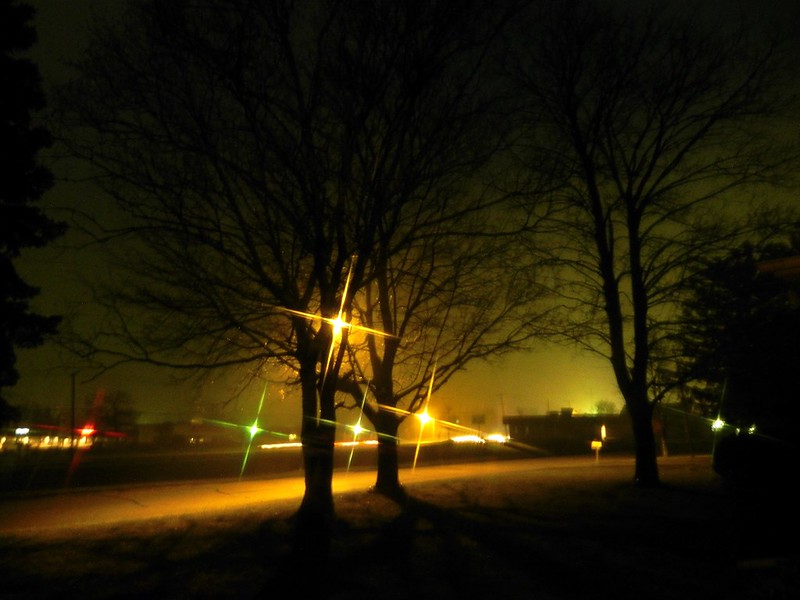
Photo source: openverse, cardumba, Flickr
There’s a particular kind of quiet that comes over the road after dark. Fewer cars, softer light, maybe even a little peace. For a lot of us, night driving used to feel completely ordinary. You’d hop in the car after dinner, run an errand, pick up a grandchild, and think nothing of it.
But somewhere along the way, things started to feel different. Headlights seem brighter than they used to be. Street signs take a beat longer to read. And that drive home from your friend’s house, the one you’ve done a hundred times, suddenly feels like it takes more focus than it did a few years ago.
If any of this sounds familiar, you’re not imagining it. And you’re definitely not alone.
Why Night Driving Gets Harder With Age
Our eyes change as we get older, and that’s simply part of being human. The pupils don’t dilate as wide in low light, which means less light reaches the retina at night. On top of that, many people develop mild cataracts over time, even before they’re noticeable during the day. Cataracts can scatter light from oncoming headlights, creating that annoying halo or glare effect that makes it hard to see the road clearly.
Add in slower reaction times, which are also a normal part of ageing, and it’s easy to see why night driving can start to feel more demanding than it used to.
None of this means something is wrong with you. It just means your body is doing what bodies do. The real question isn’t whether these changes are happening. It’s what you want to do about them.
Signs It Might Be Time to Reconsider
You don’t need a dramatic wake-up call to start thinking differently about night driving. Sometimes it’s the small things that matter most. Some signs worth paying attention to include headlights from other cars seeming unusually glaring or hard to look away from; you find yourself gripping the wheel a little tighter after sunset, or street signs or lane markings take longer to register than they should. If even one of these sounds familiar, that’s not a reason to panic. It’s simply information. And information is useful.
It’s Not About Giving Up Independence
Here’s the thing that often gets missed in conversations about night driving. Choosing to drive less after dark isn’t about losing your independence. It’s about protecting it.
Being thoughtful about when and how you get behind the wheel means you get to keep doing the things that matter to you, safely, and on your own terms. That might mean driving during the day and asking a family member for occasional evening rides. It might mean using a rideshare service for that one late appointment. Or it might just mean being a little more selective about which nights you drive and which ones you don’t.
There’s no single right answer here. What matters is being honest with yourself about how things feel behind the wheel and making choices that keep you and everyone else on the road safe.
A Gentle Nudge, Not a Verdict
If you’ve been noticing changes in how comfortable you feel with night driving, that awareness is worth something. It means you’re paying attention, and that in itself is a good sign.
Talk to your doctor about your vision and reflexes. Talk to your family about what support might look like. And most of all, be kind to yourself. Adjusting how you drive as you get older isn’t a loss. It’s just another way of taking good care of yourself, one thoughtful decision at a time.