Pre-diabetes Is a Warning You Can Act On

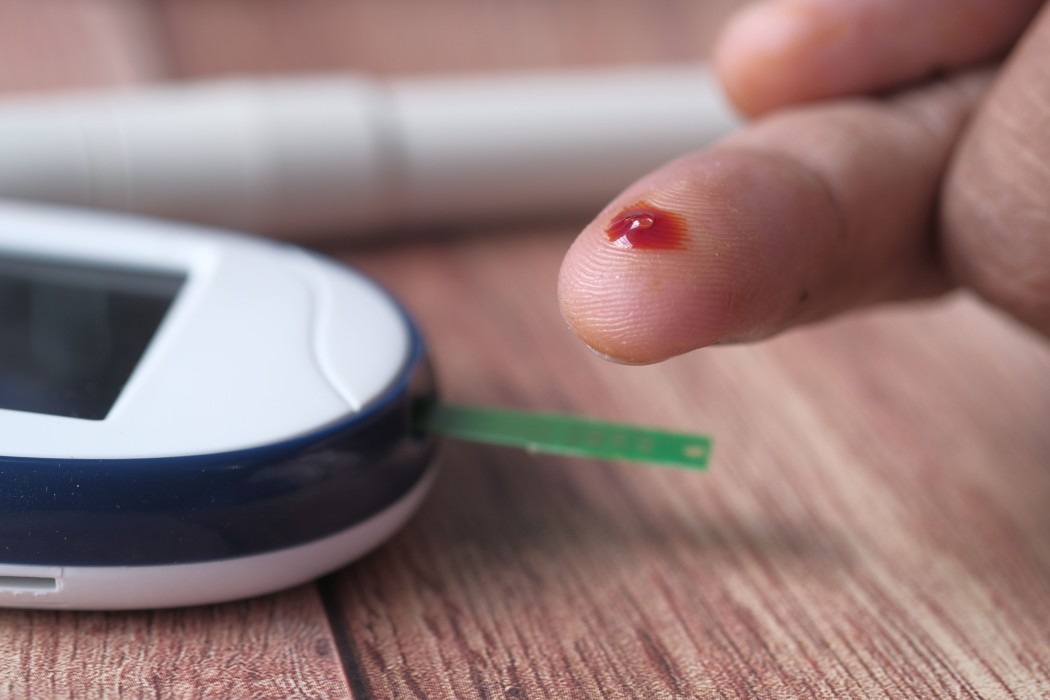
Photo source: openverse, Towfiqu barbhuiya
Hearing the word ‘pre-diabetes’ from your doctor can feel worrying, but it is best seen as an early warning that gives you time to act. Pre-diabetes means your blood sugar is higher than normal, though not high enough to be diagnosed as type 2 diabetes. For many older New Zealanders, this stage is a valuable chance to protect long-term health.
Why pre-diabetes often goes unnoticed
Most people with prediabetes feel perfectly well. There are usually no clear symptoms, which is why it can go undetected for years. The risk tends to rise with age, and it is more likely if you carry extra weight around your middle, have a family history of type 2 diabetes, or have high blood pressure. In New Zealand, Māori, Pacific peoples and those of South Asian descent may have a higher risk, so regular checks are especially worthwhile.
How is pre-diabetes found?
A simple blood test arranged through your GP or practice nurse can show whether your blood sugar is in the normal range. Many seniors have this test as part of a routine health check. If you have not had one for a while, it is worth booking an appointment and asking about it.
Simple steps that can make a difference
The encouraging news is that pre-diabetes can often be managed with everyday habits. Gentle, regular movement such as walking, swimming, gardening or lawn bowls helps your body use insulin more effectively. Build up gradually, and check with your doctor first if you have joint, heart or mobility concerns.
Eating well also matters. Fill your plate with vegetables, choose wholegrain bread and cereals, include fish, eggs, legumes and lean meats, and go easy on sugary drinks, biscuits and takeaways. Sensible portions and regular meal times can help too. If you carry extra weight, even a modest loss may lower your risk. Getting enough sleep, managing stress and avoiding smoking all support healthy blood sugar as well.