Medical Alert Systems and Home Design: What Works Together

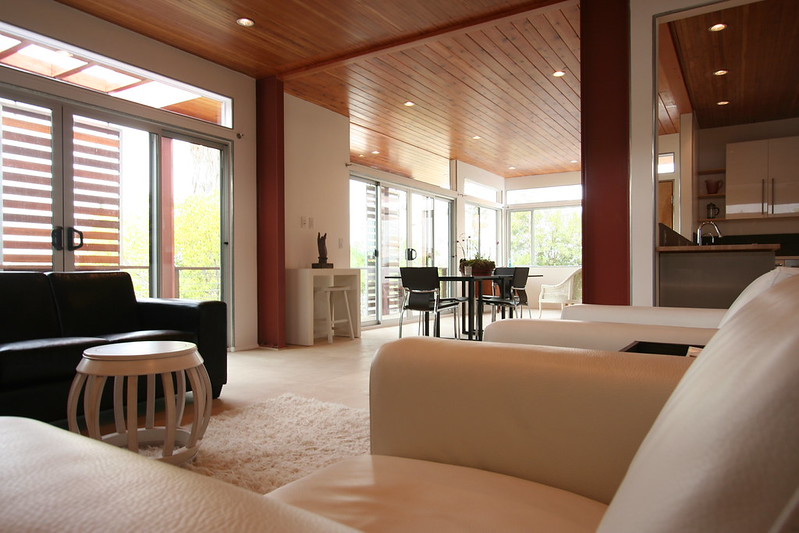
Photo source: openverse, Jeremy Levine, Flickr
As more Kiwi seniors choose to age in place, the combination of medical alert systems and thoughtful home design is becoming essential for safety and peace of mind. A home that supports independence should be built around both physical layout and reliable emergency technology.
Why Medical Alert Systems Matter
Medical alert systems give older adults a fast way to call for help during a fall, medical episode, or other emergency. Many devices come as a wearable pendant or wristband with a simple button that connects to a monitoring service. Some newer systems also include fall detection, GPS tracking, and two way voice communication, meaning help can be summoned even if the wearer cannot speak clearly or press the button themselves.
For families across New Zealand, these systems offer reassurance that a loved one living alone can reach support quickly, without needing to search for a phone.
Designing a Home That Supports Safety
Home design plays a major role in reducing risk and making medical alert systems even more effective. Wide, uncluttered walkways allow easier movement and quicker access to help if needed. Good lighting throughout hallways, staircases, and bathrooms lowers the chance of trips and falls, particularly at night.
Bathrooms deserve special attention, since they are a common site for falls. Grab bars near the toilet and shower, non-slip mats, and walk-in showers all reduce risk considerably. Placing a waterproof medical alert pendant within reach in the shower ensures help is always available, even in the most vulnerable moments of the day.
Bringing Technology and Layout Together
The most effective home setups combine sensible design with dependable technology. Placing charging stations for alert devices in frequently used rooms helps ensure the pendant is always charged and nearby. Furniture arranged to avoid tight corners or low tables reduces obstacles for those who may have limited mobility.
Some households also add smart home features such as voice activated lighting or motion sensors, which work well alongside a medical alert system to create multiple layers of safety.
Final Thoughts
Pairing a medical alert system with a well designed home creates a safer, more supportive environment for independent living. Small adjustments to layout, lighting, and bathroom safety, combined with reliable alert technology, can make a meaningful difference to everyday confidence and wellbeing.
If you are considering a medical alert system for yourself or a family member, take time to review the home environment as well. The right combination of design and technology can help seniors stay safe while continuing to enjoy the comfort of their own home.